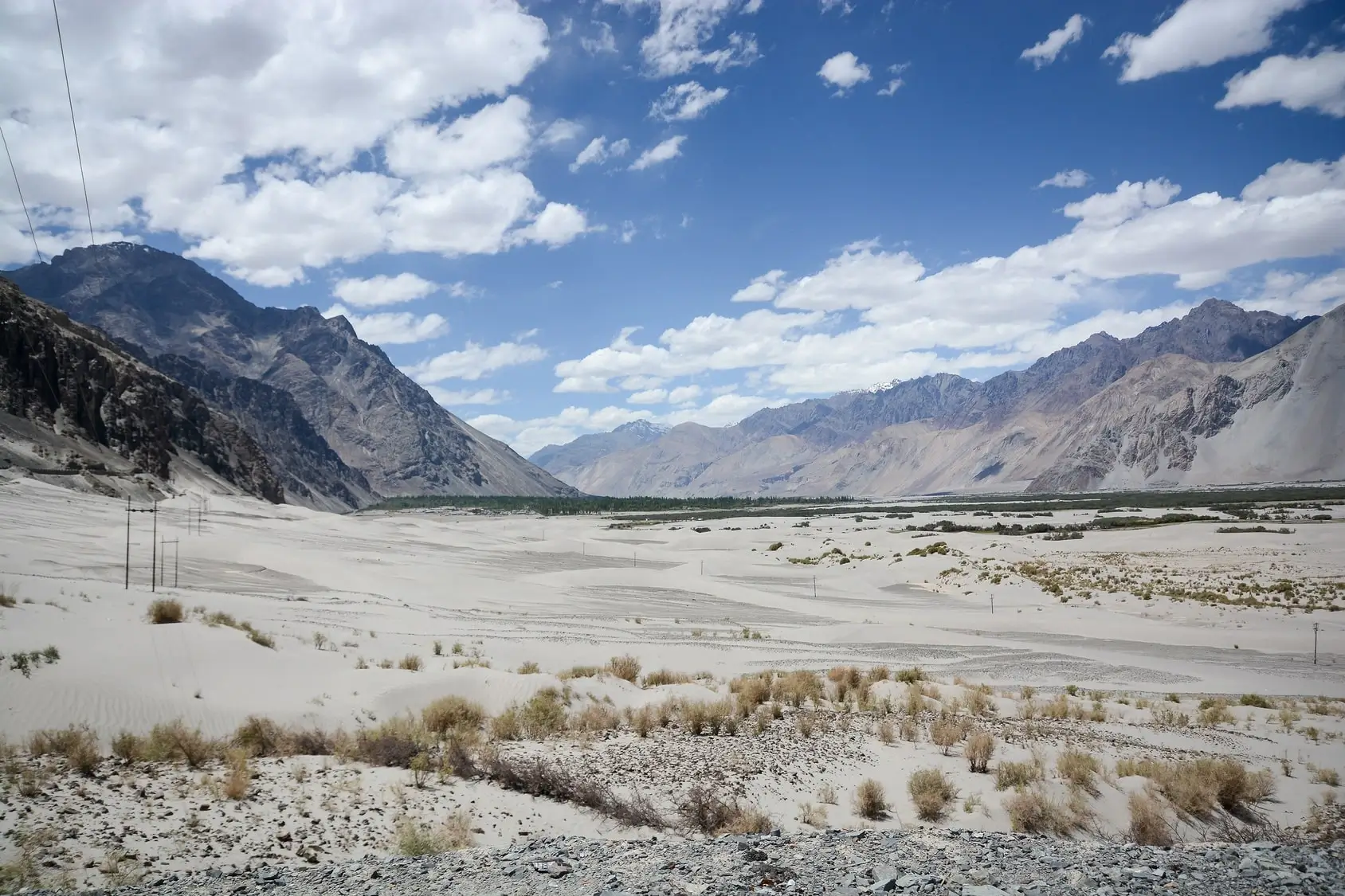

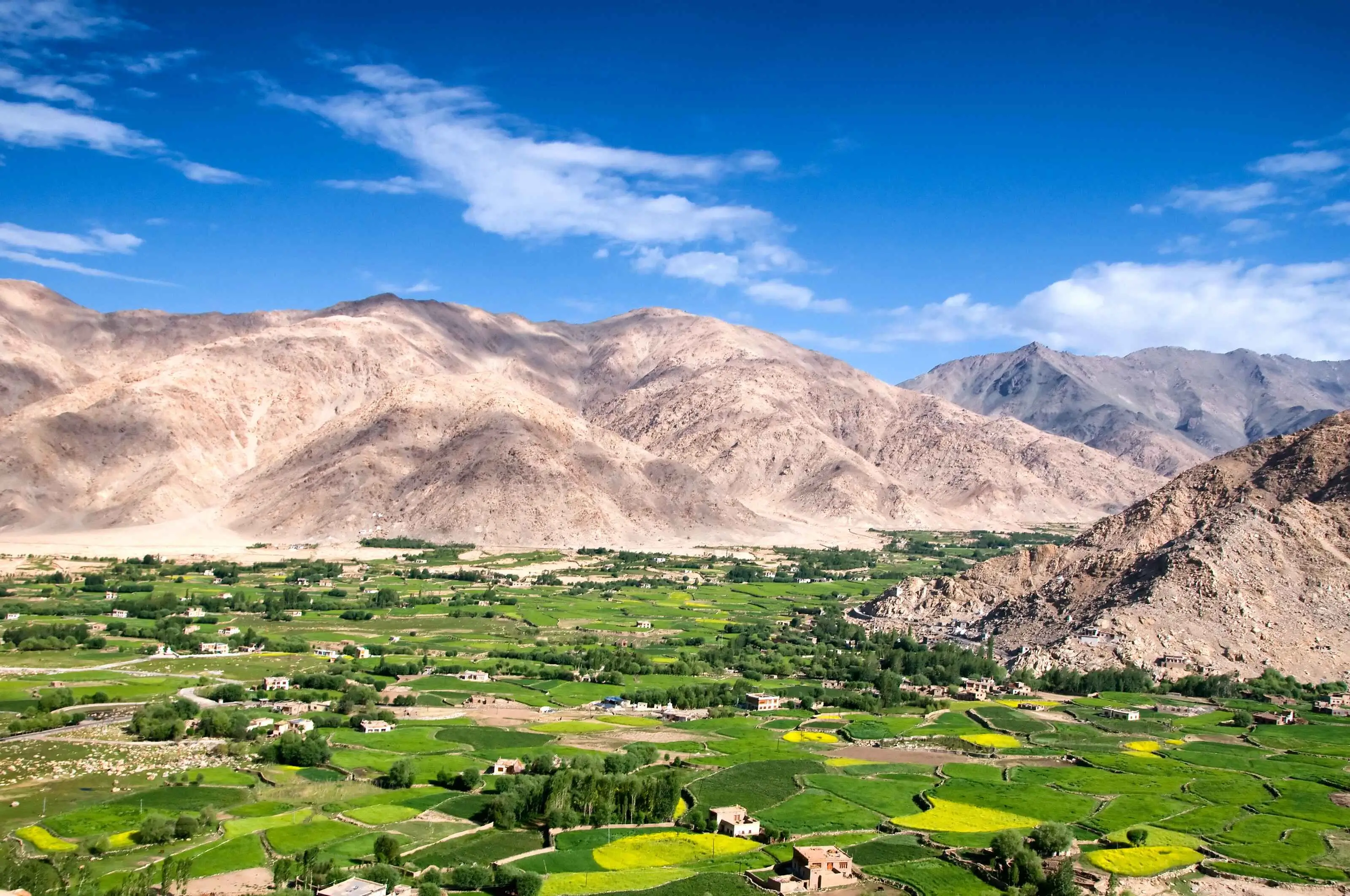
Ladakh is where moonscapes, monasteries, glaciers, and some of the world's highest motorable roads come together to form a landscape that feels otherworldly. Spanning the rugged Himalayan, Zanskar, and Karakoram ranges, the region is known for ancient Buddhist culture, stark high-altitude deserts, turquoise lakes, and adventure circuits that draw travelers from across the world. From the river valleys of Leh to the wind-sculpted dunes of Nubra and the sweeping blue of Pangong and Tso Moriri, Ladakh offers the kind of travel experience that stays etched forever.
Why Visit Ladakh ?Ladakh offers an unrivalled mix of natural beauty, cultural depth, and offbeat mystique. These aren't just “check-box” travel experiences; they are feel-deep, perspective-shifting moments
Highlights of Ladakh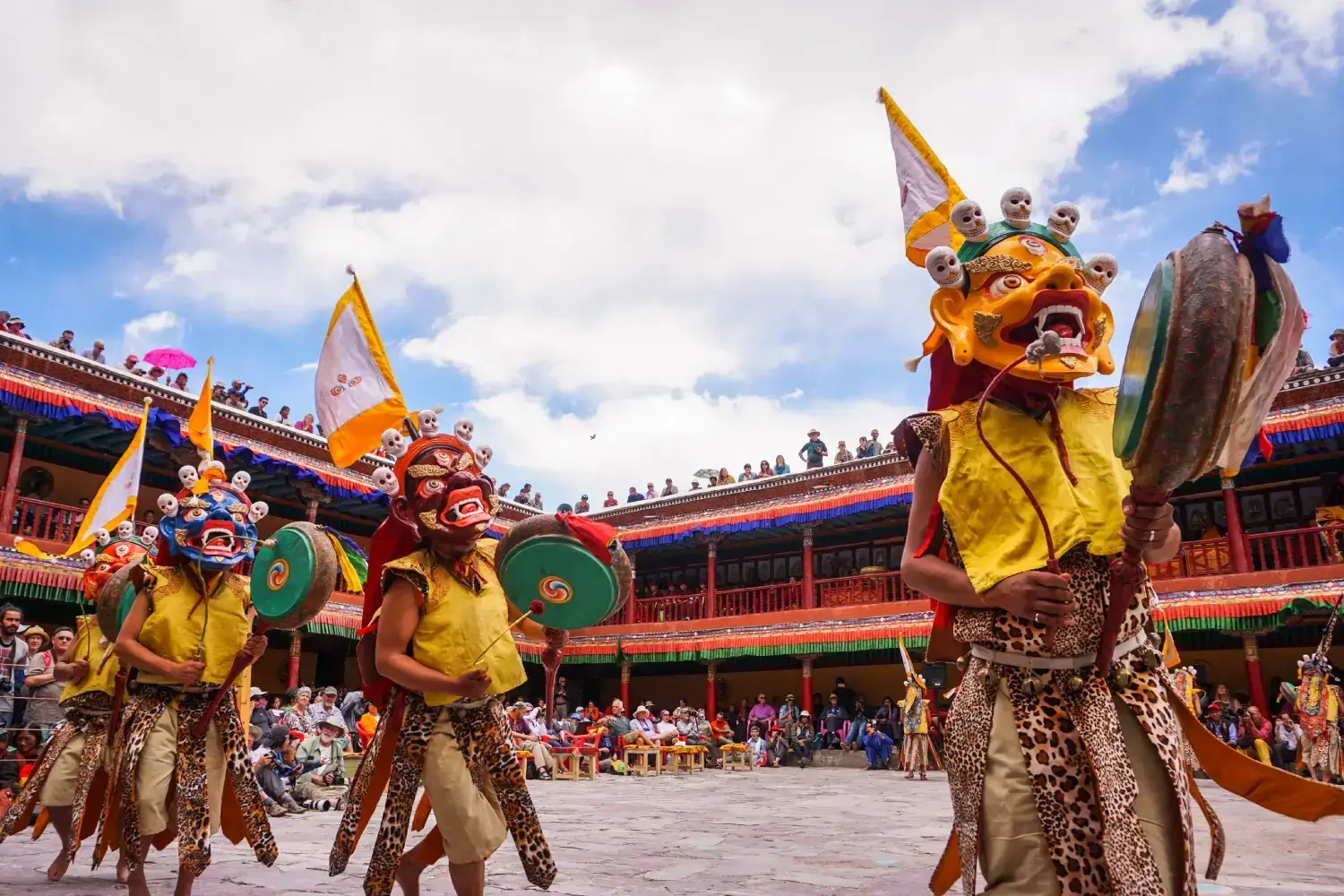
Each region of Ladakh has its own soul, with each offering a unique and ethereal experience.
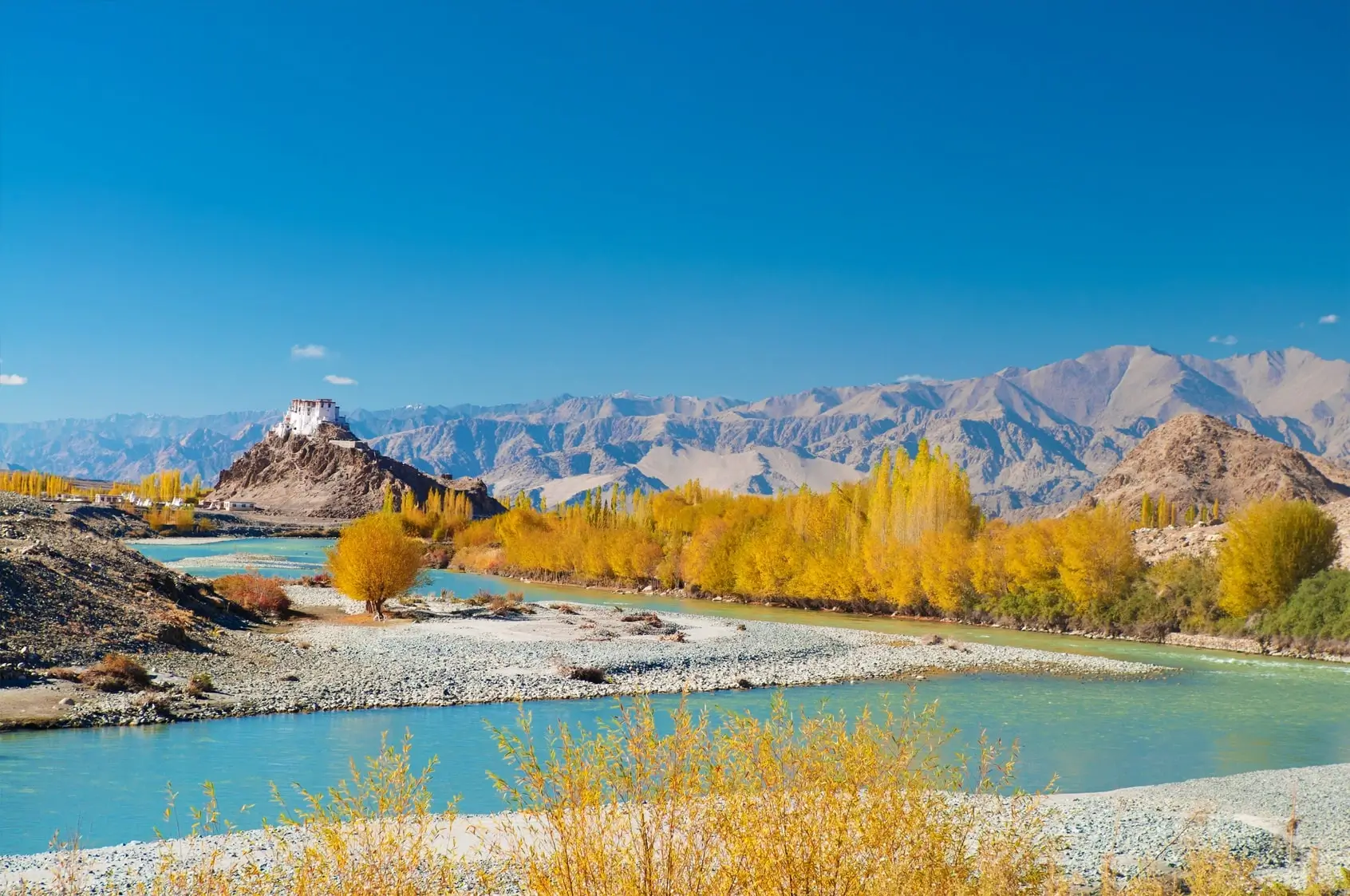
Leh is the heart of Ladakh: a mix of old - world bazaars, royal palaces, monasteries, and sweeping valley views. At 11,500 ft, it's the ideal base for acclimatization and day explorations.
Leh Palace : A Nine-Story Himalayan CitadelLeh Palace is one of the best places to visit in Ladakh for travelers interested in history and architecture. Built in the 17th century by King Sengge Namgyal, this mud - brick and timber fortress towers over Leh like a guardian of the valley. Walk through its narrow stairways, cool dark chambers, and sunlit terraces to understand how Ladakhi royalty lived at 11,500 ft. The palace museum houses centuries-old thangkas, jewelry, ceremonial dresses, and Tibetan artifacts that add credibility to its royal past. From the rooftop, you get sweeping views of the Indus Valley, Stok Kangri, Namgyal Tsemo, and the old Leh town, making it a must-add highlight in any Ladakh travel guide.
Highlights of Leh Palace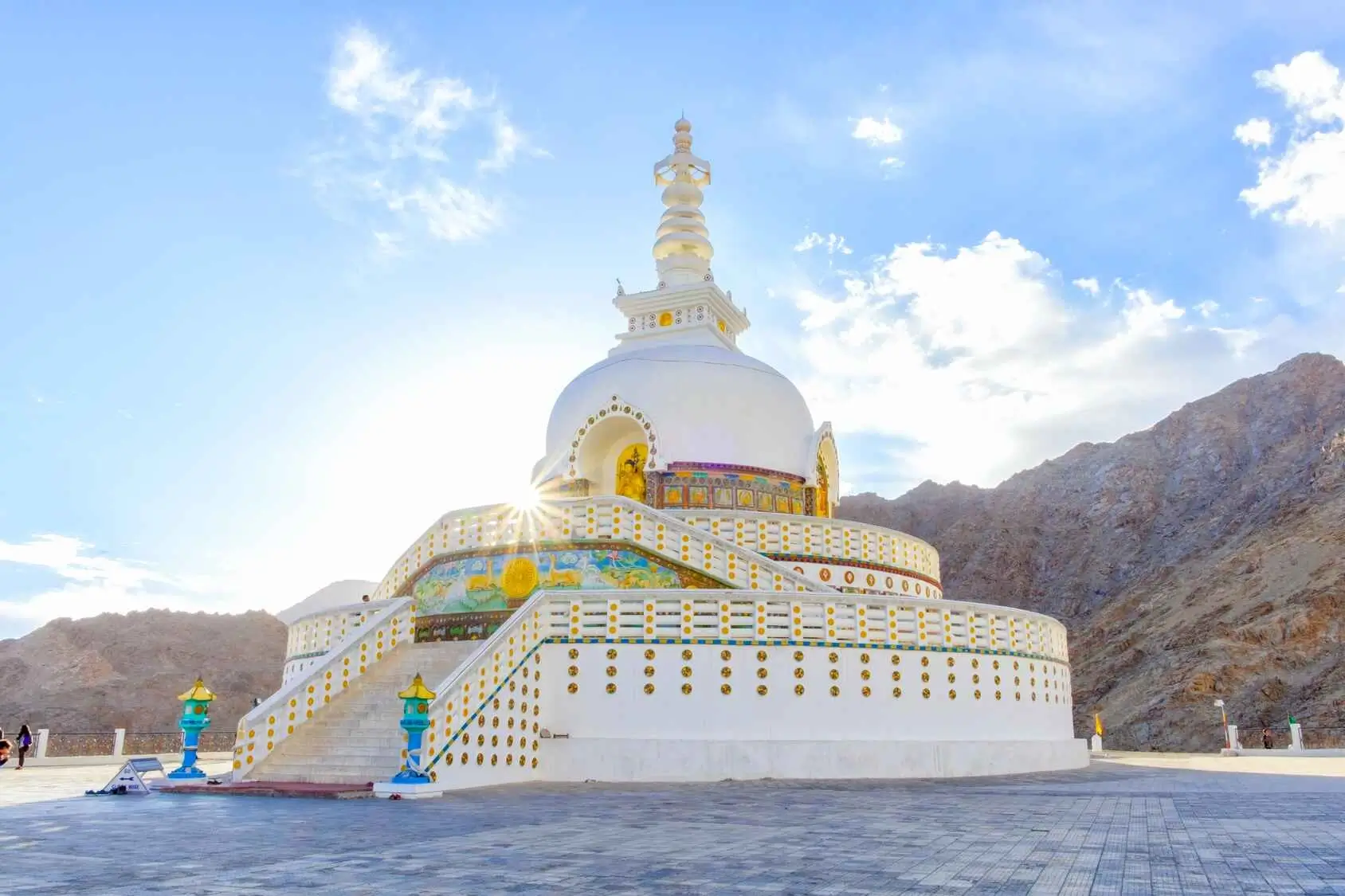
A gleaming white monument perched on Changspa hill. Visit at sunrise or sunset : the stupa glows orange-pink as the sky shifts, prayer flags flutter in the mountain breeze, and you get a panoramic snapshot of the Leh Valley below, a perfect spiritual pause or evening stroll after a day of travel.
Highlights of Shanti Stupa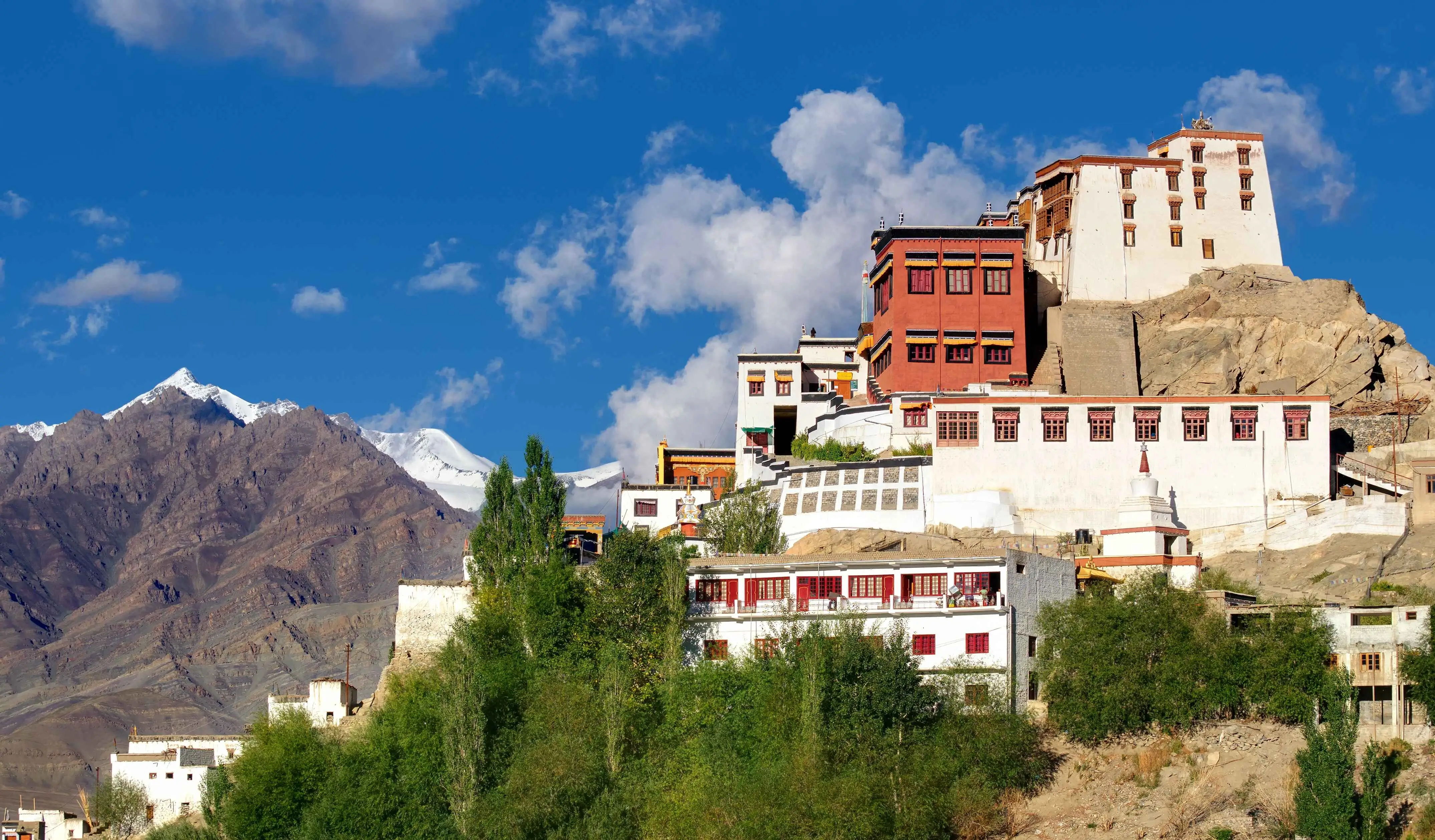
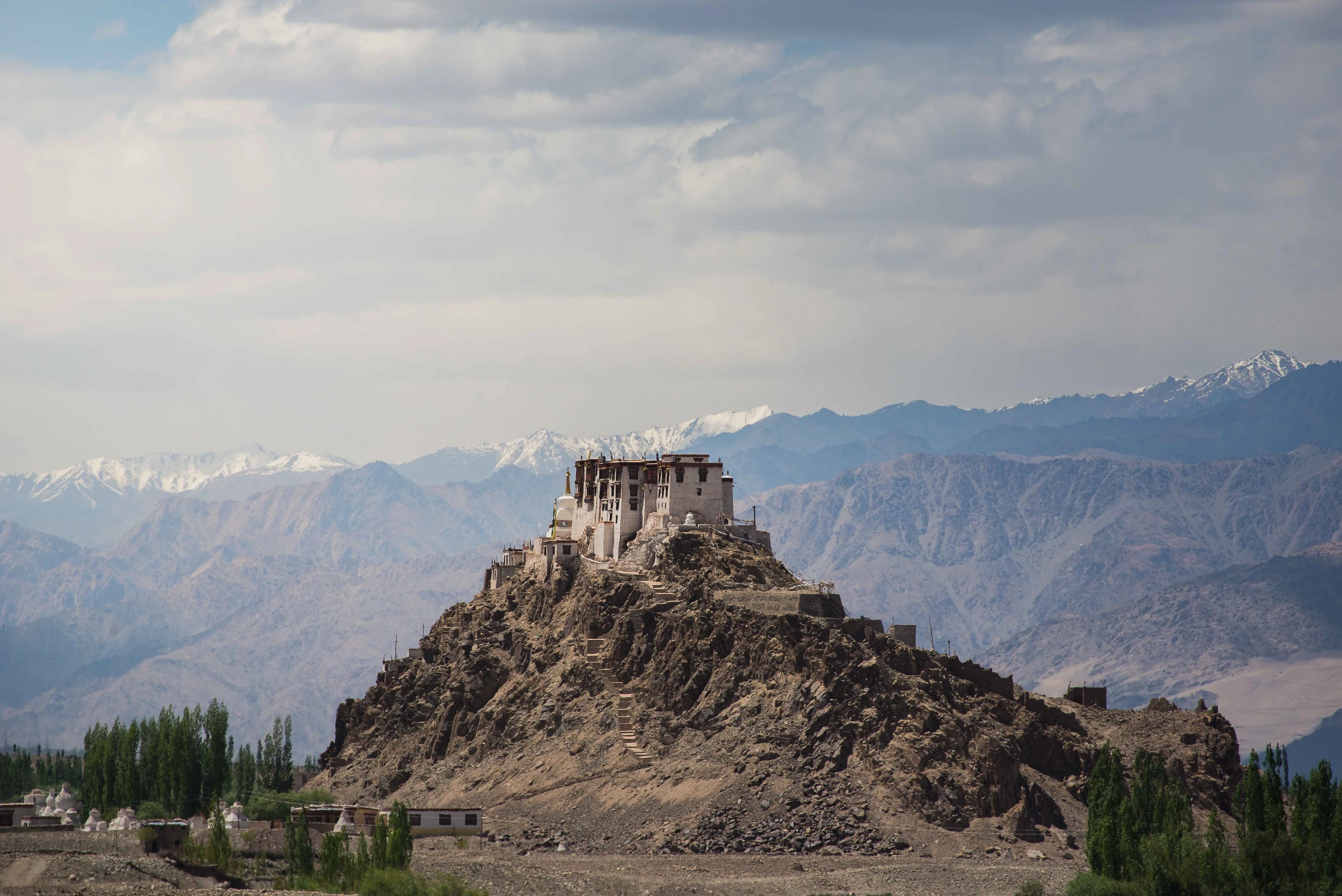
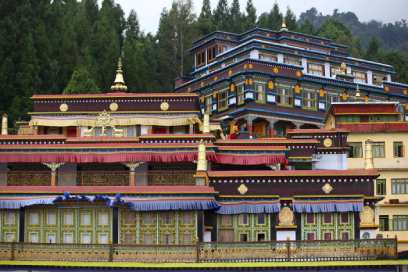
Often called “mini Potala,” this monastery's layered terraces, prayer halls, and a 49-ft gilded Maitreya Buddha statue give a deep sense of Ladakhi Buddhism in practice. Observing monks at prayer, hearing the silent chant echoes, and exploring ancient murals, Thiksey connects you with spiritual Ladakh beyond the usual tourist attractions.
Highlights of Thiksey Monastery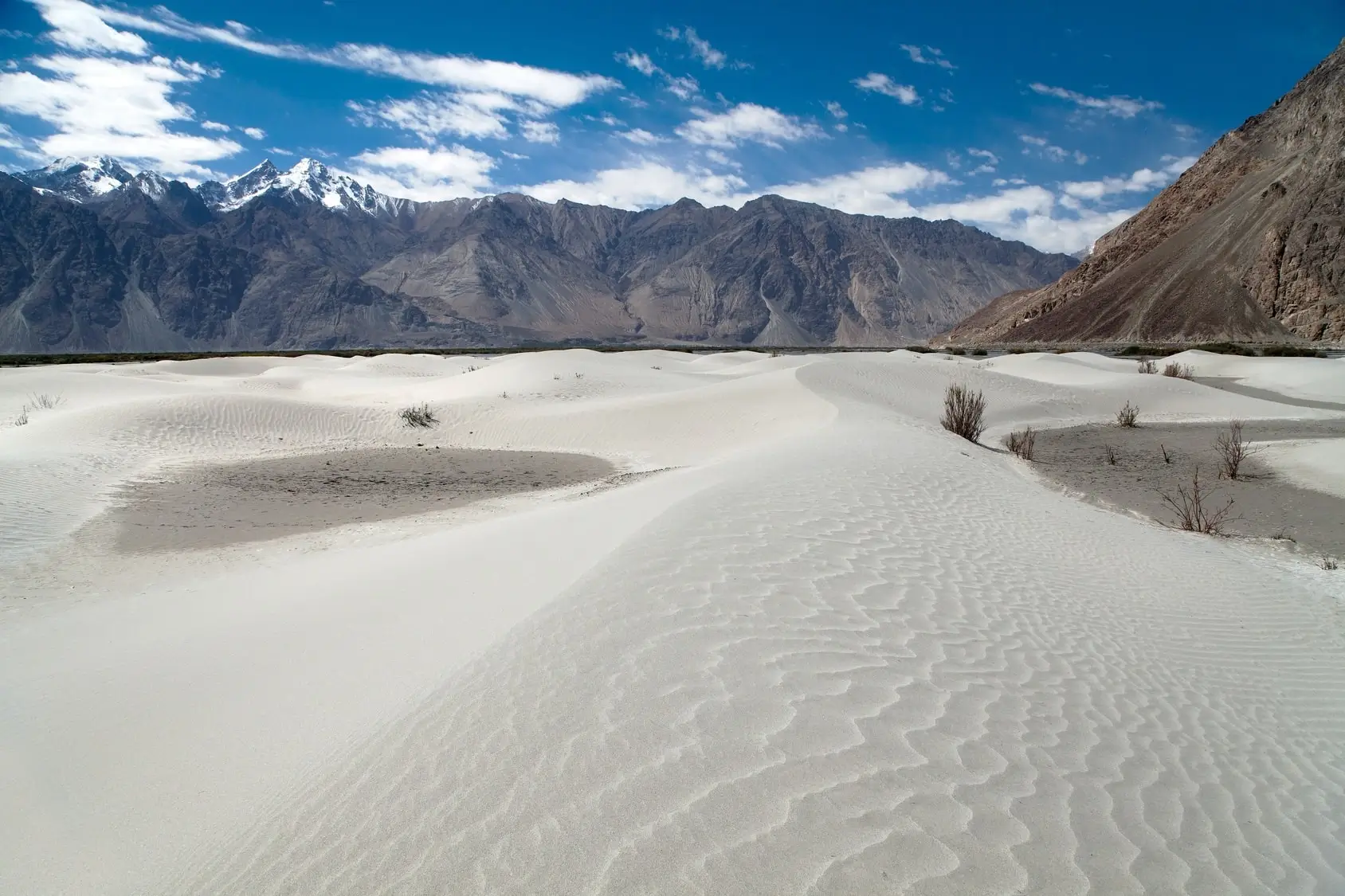
Nubra Valley defies expectations. Just beyond the lofty Khardung La pass lies a cold desert, where golden sand dunes sit beneath snow-capped mountains. In Hunder, ride rare double - humped Bactrian camels across dunes, a surreal sight at 10,000 ft.
Top Attractions of Nubra Valley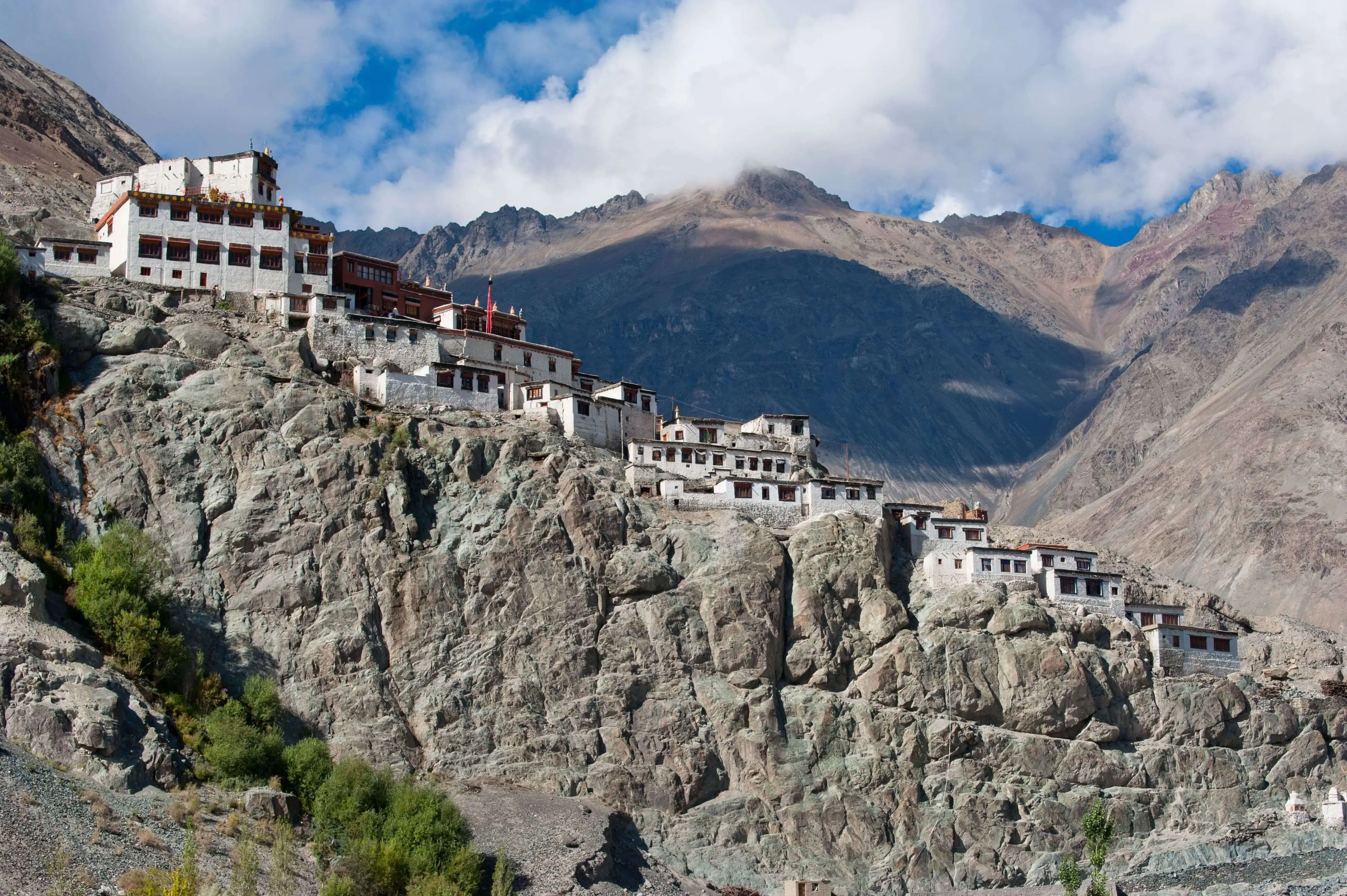
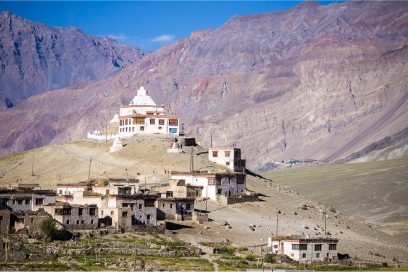
Visit Diskit Monastery with its towering Maitreya Buddha statue that gazes across the valley, offering perhaps the most iconic view of Nubra. The prayer halls, swirling red - and - gold robes of monks, fluttering prayer flags, and stark valley vistas all evoke the Silk Route's ancient spirit.
Highlights of Diskit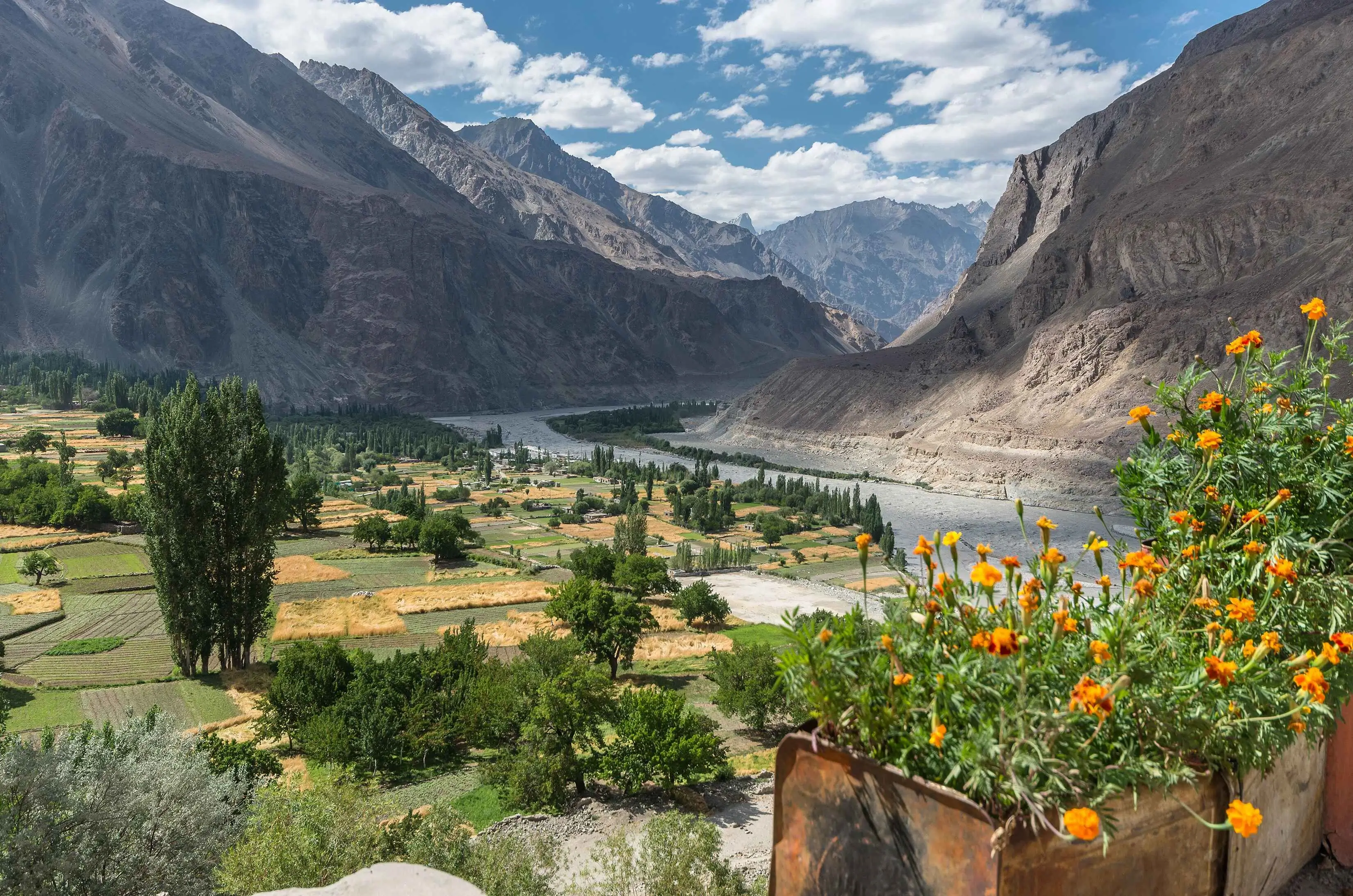
In villages like Turtuk (on Ladakh's northern frontier), you'll find apricot orchards, Balti-style stone homes, and a culture distinct from the rest of Ladakh. Slow - travel here, sip local apricot juice, walk dusty lanes, and hear tales of trade caravans that once traversed this cold desert.
Highlights of Turtuk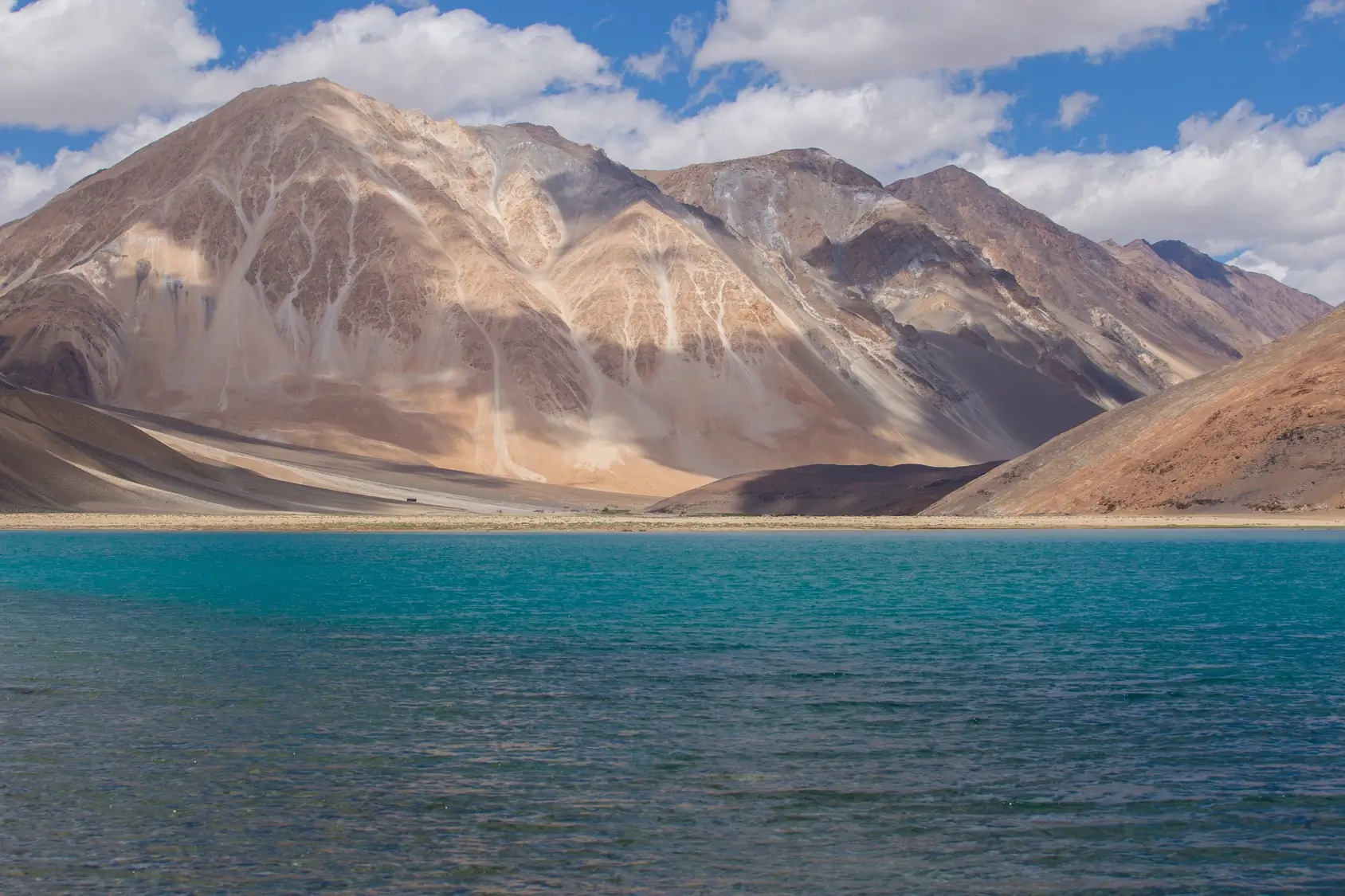
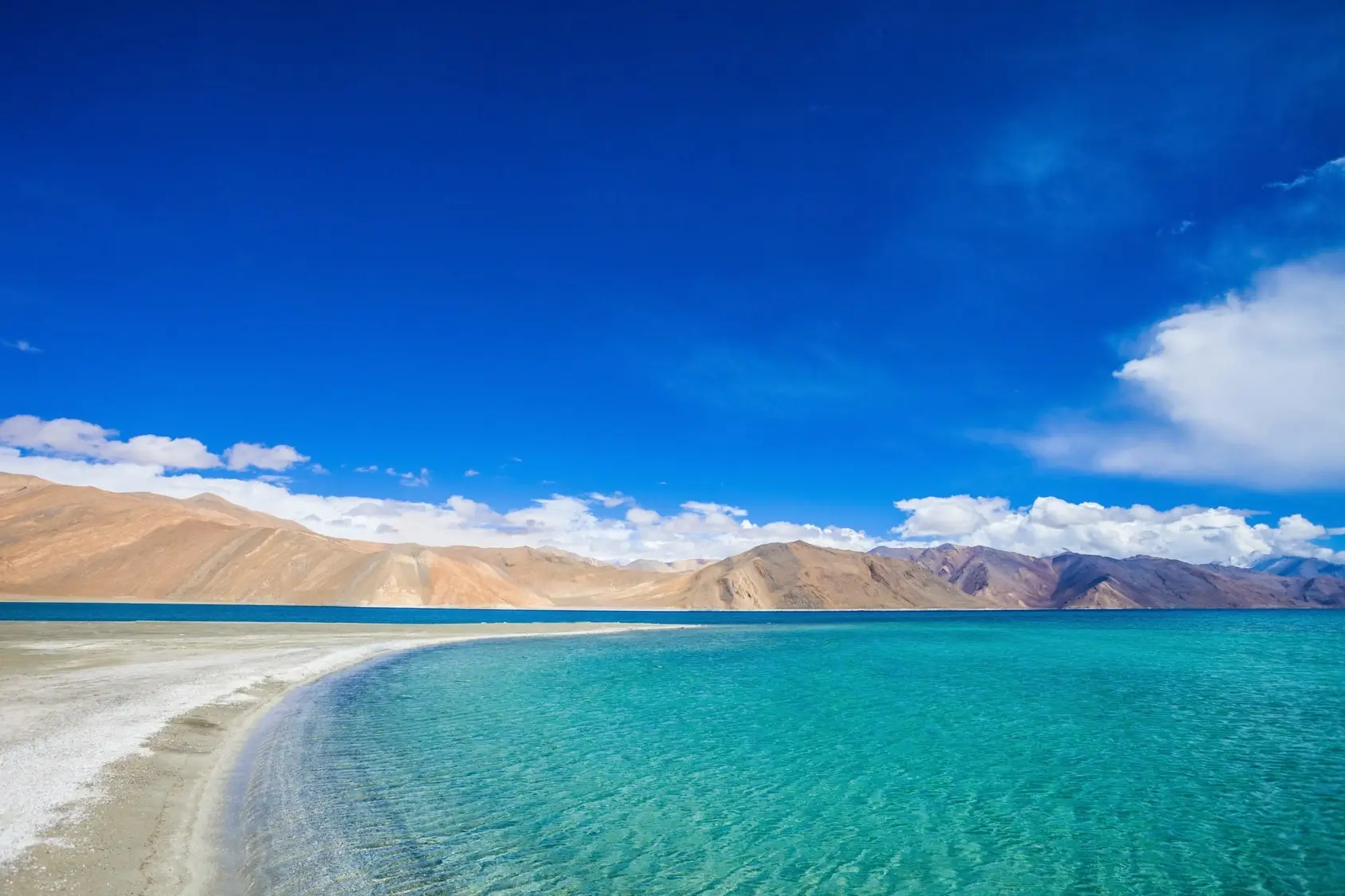
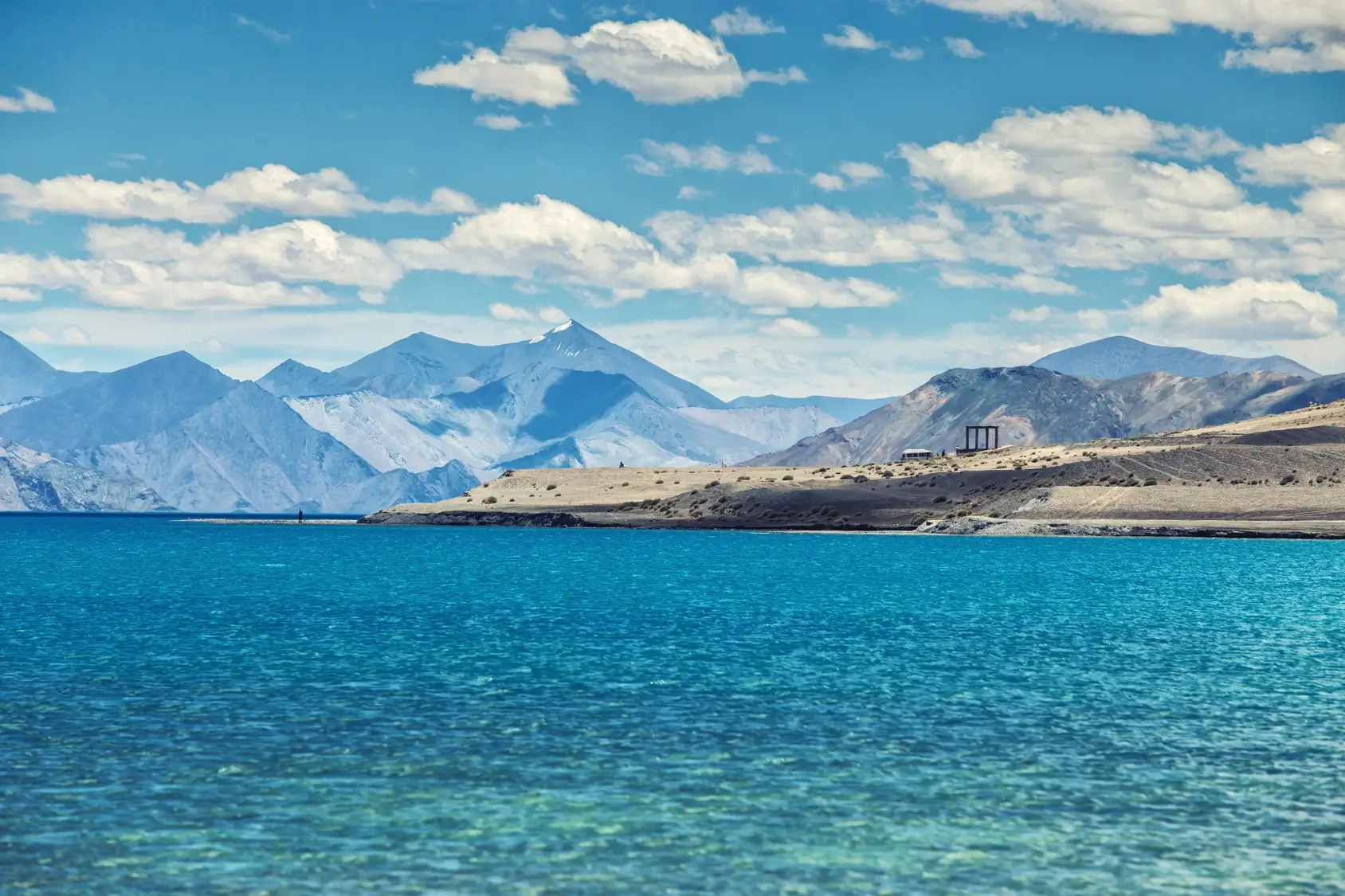
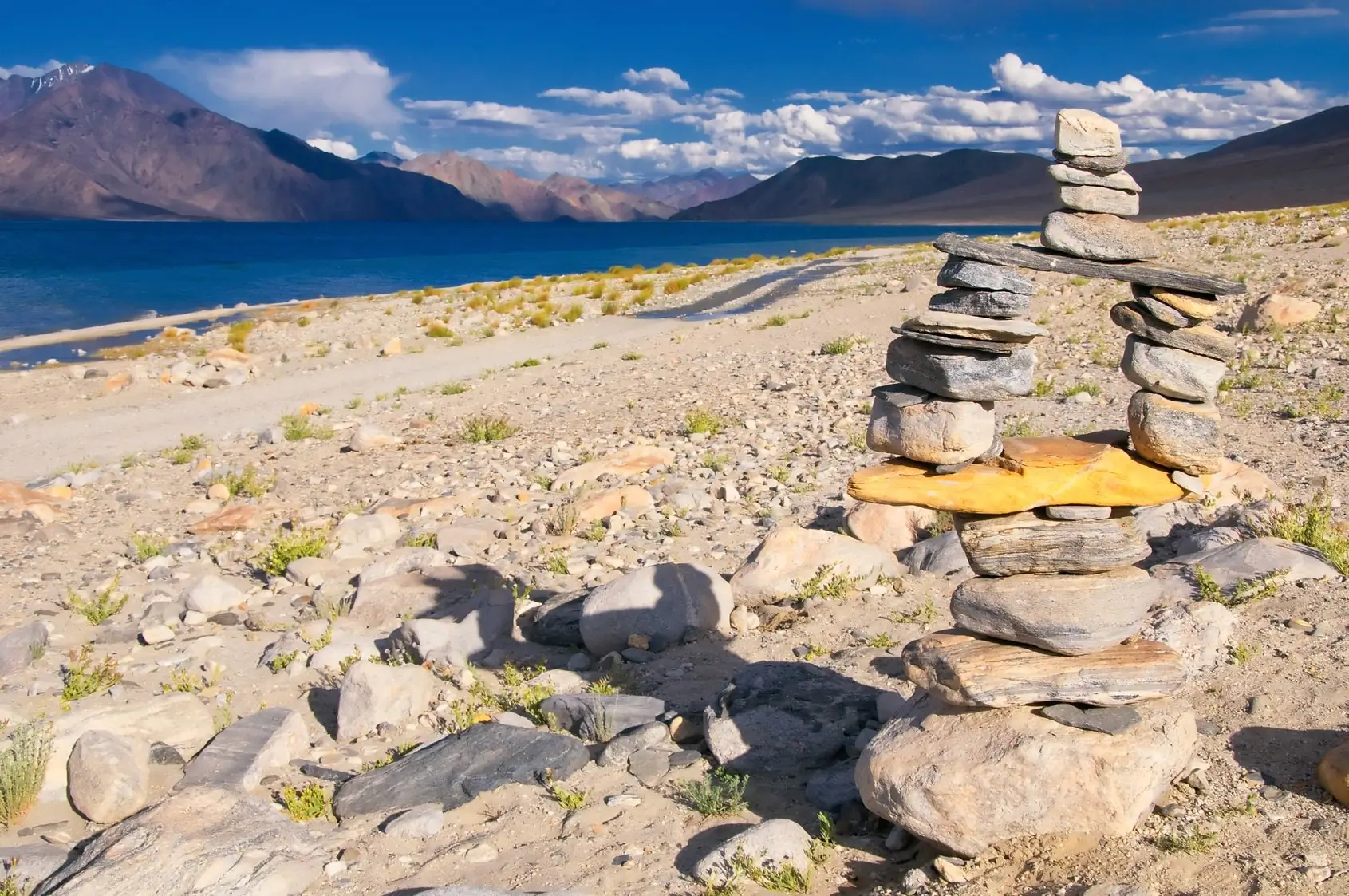
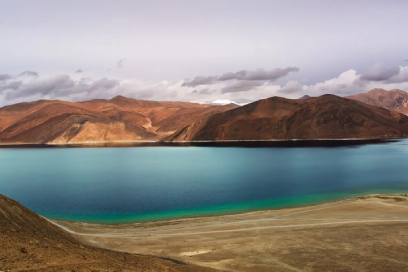
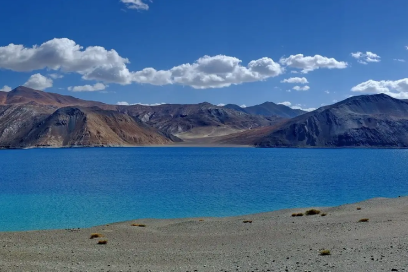
Pangong Tso is one of the most iconic Ladakh tourist places, famous for its shifting shades of blue and stark mineral mountains. Situated at an altitude of 4,350 m, the lake stretches for 134 km across India and Tibet, creating vistas that feel unreal even to seasoned travellers. Visit at dawn to watch the colors change from silver grey to deep cobalt; stay till night to witness some of the clearest Milky Way views in the Himalayas.
Pangong's fragile ecosystem is home to migratory species like bar-headed geese and Brahminy ducks, adding scenic movement to the still water. Its accessibility from Leh via Chang La Pass makes it one of the best places to see in Ladakh, especially for first - timers.
Highlights of Pangong Tso/Lake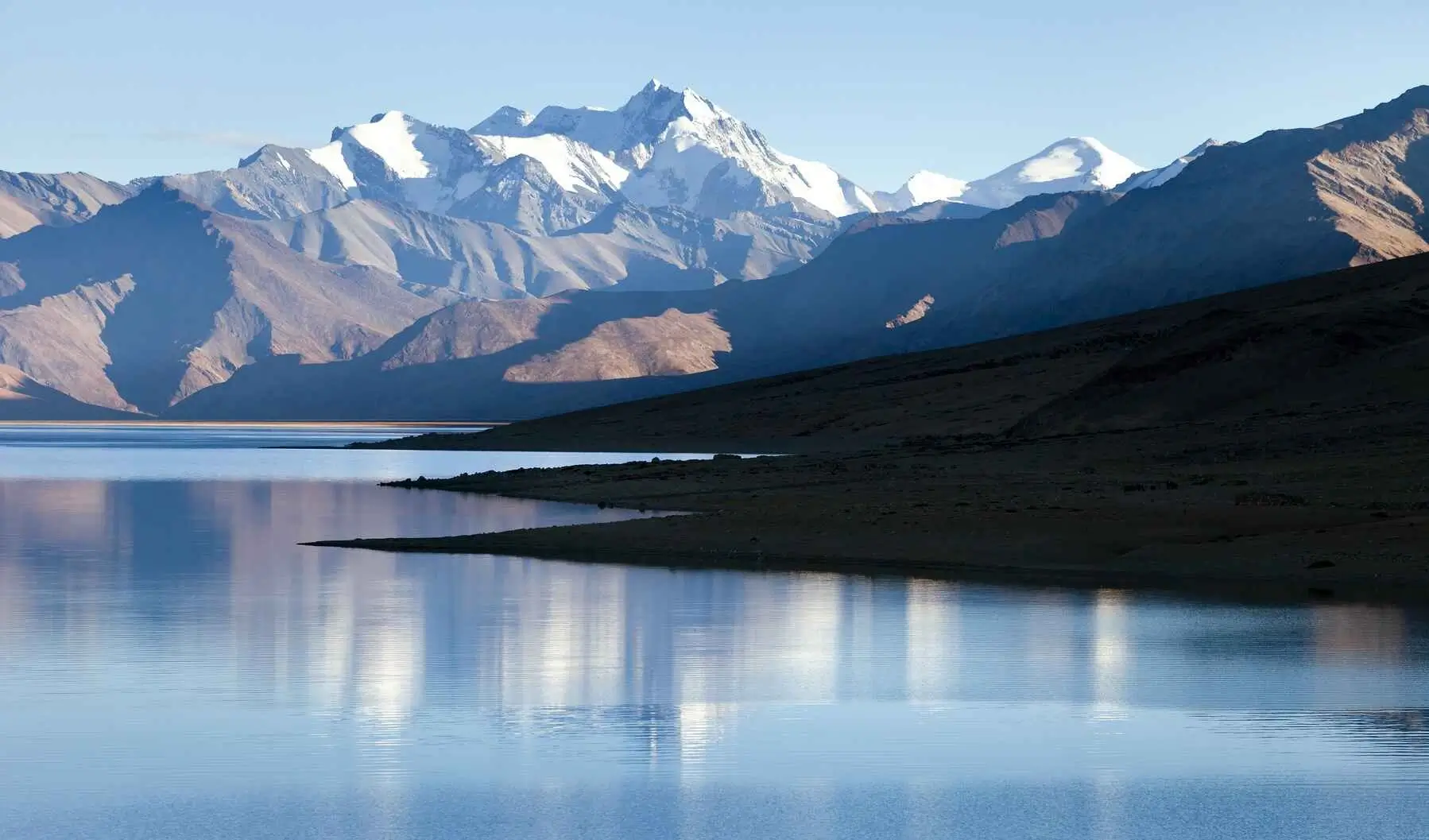
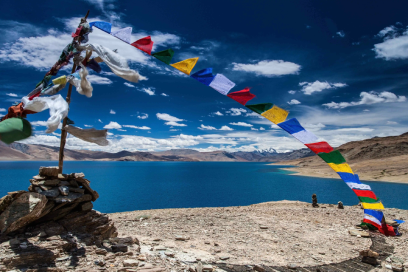
Quiet, contemplative, and deeply scenic, Tso Moriri is a jewel of the Changthang Plateau and one of the top tourist attractions in Ladakh for nature lovers. Recognized as a Ramsar site, its wetland ecosystem is crucial for rare birdlife such as the black-necked crane, Tibetan sandgrouse, and several migratory species.
Set at 4,522 m and surrounded by towering grey mountains, the lake radiates shades of turquoise and steel-blue through the day. It's loved by photographers, wildlife enthusiasts, and travellers seeking raw Himalayan solitude. For those crafting detailed Ladakh travel guides, Tso Moriri adds depth beyond Pangong, a quieter, more untouched high - altitude experience.
Highlights of Tso Moriri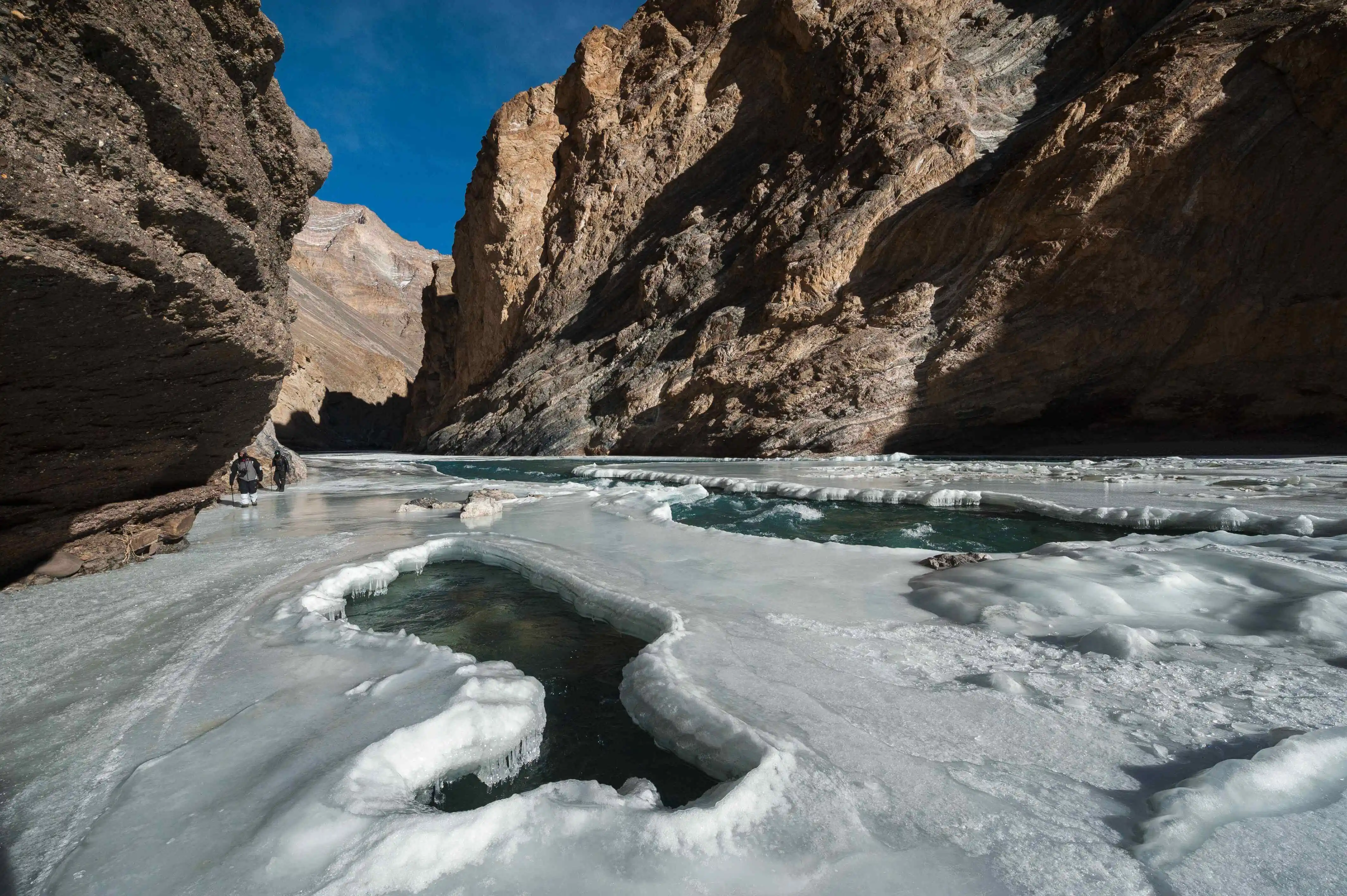
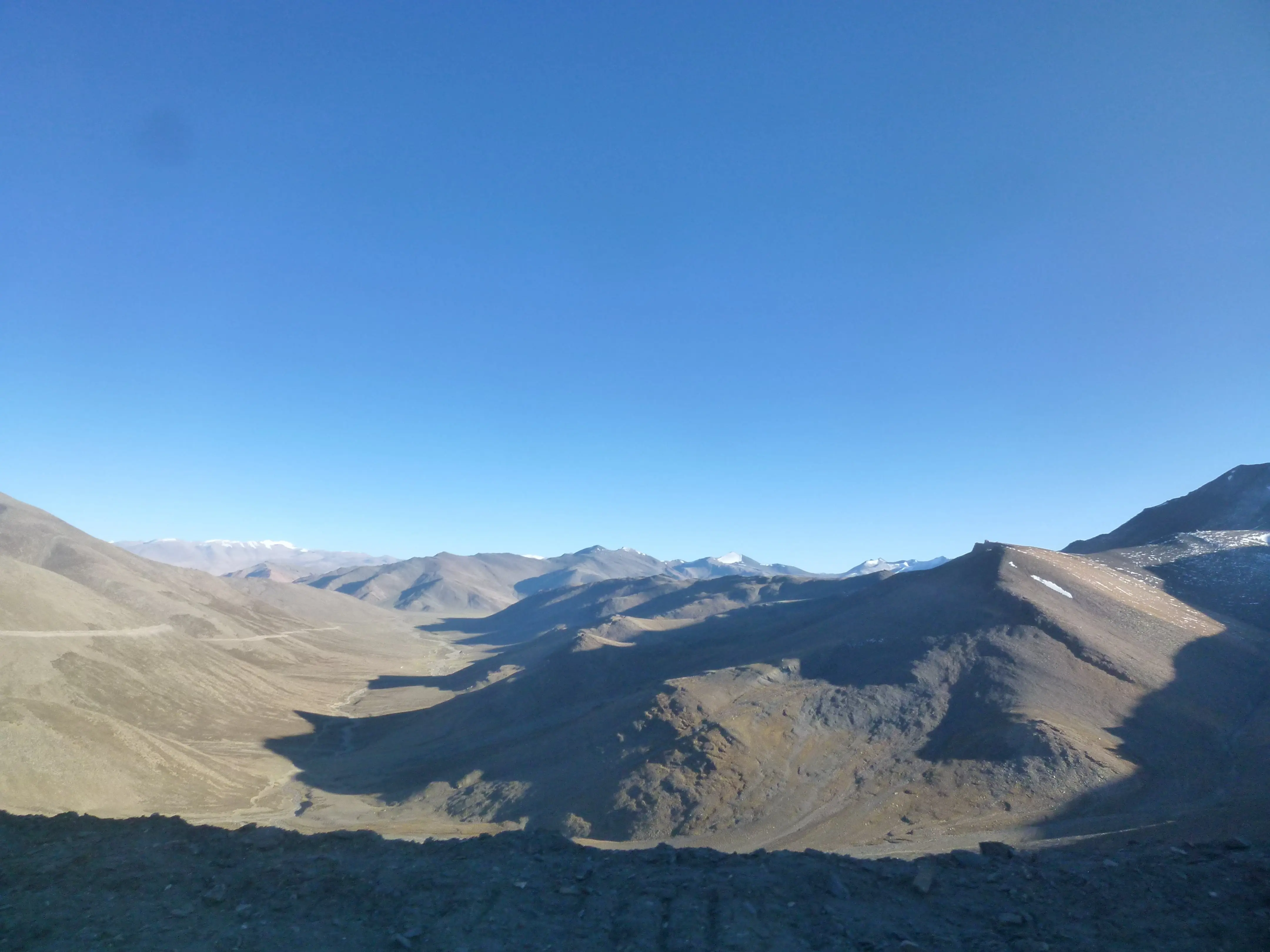
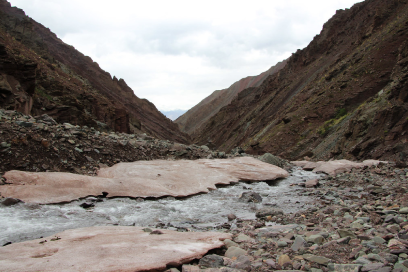
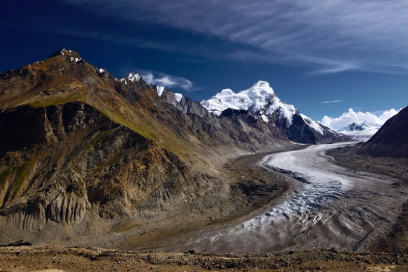
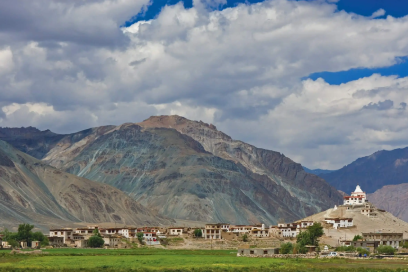
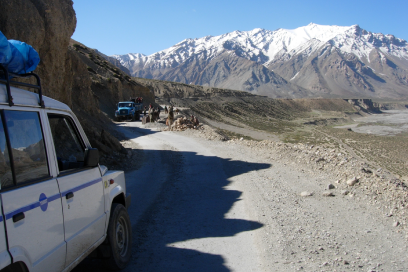
The Zanskar region is where Ladakh shifts from dramatic to downright primal. One of the most remote places to visit in Leh Ladakh, Zanskar is famous for the Drang Drung Glacier, one of the largest accessible glaciers in the Himalayas outside polar zones. Road trips here feel like expeditions through deep - cut gorges, moonlike valleys, and sculpted rock faces.
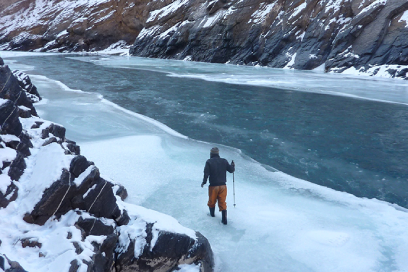
In winter, the Zanskar River freezes into the legendary Chadar Trek, one of India's most iconic adventure experiences. Add cliff - hung monasteries like Phugtal, untouched villages, and mirror - like rivers, Zanskar becomes not just a sightseeing region but a sensory journey for advanced travelers.
Highlights of Zanskar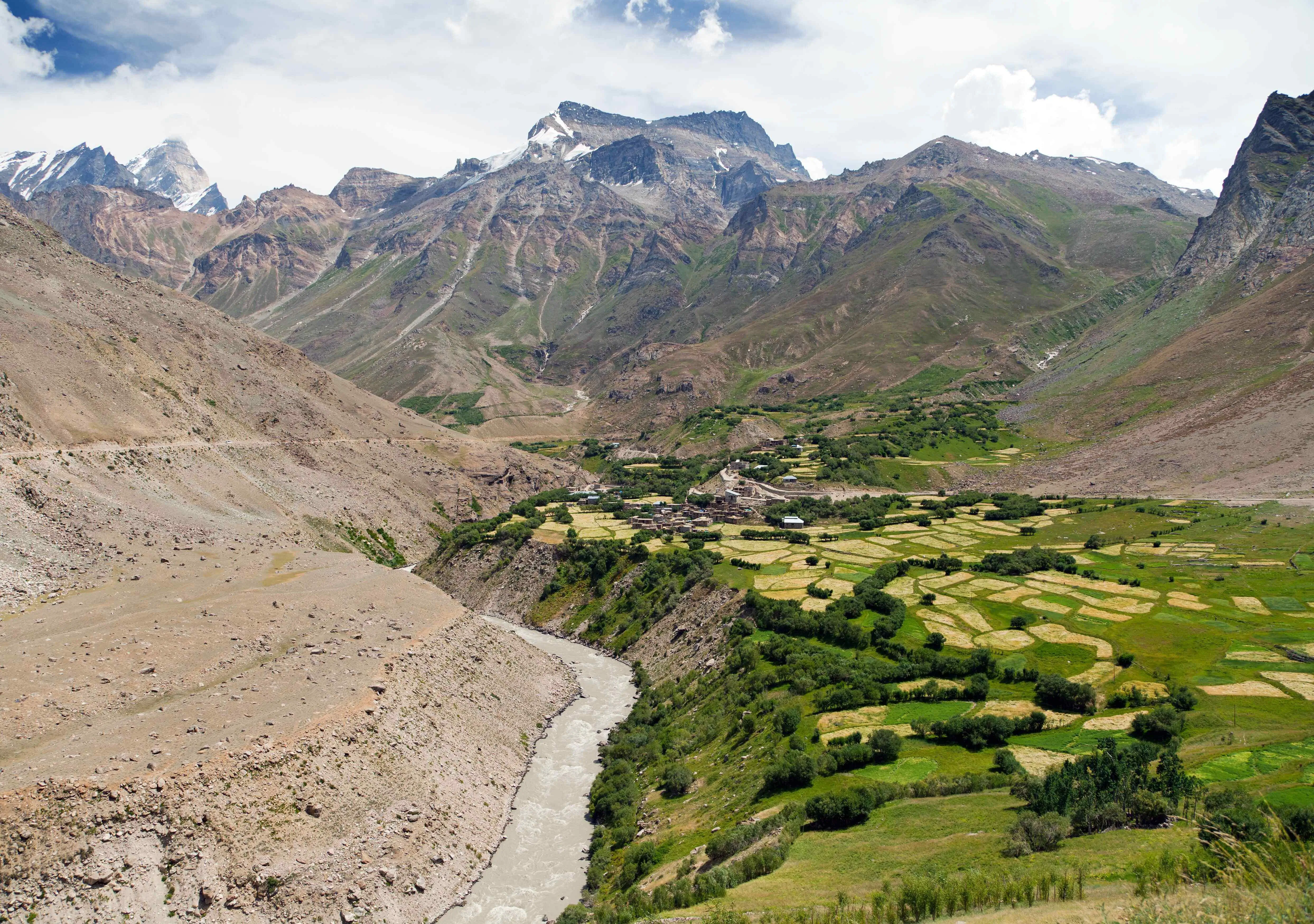
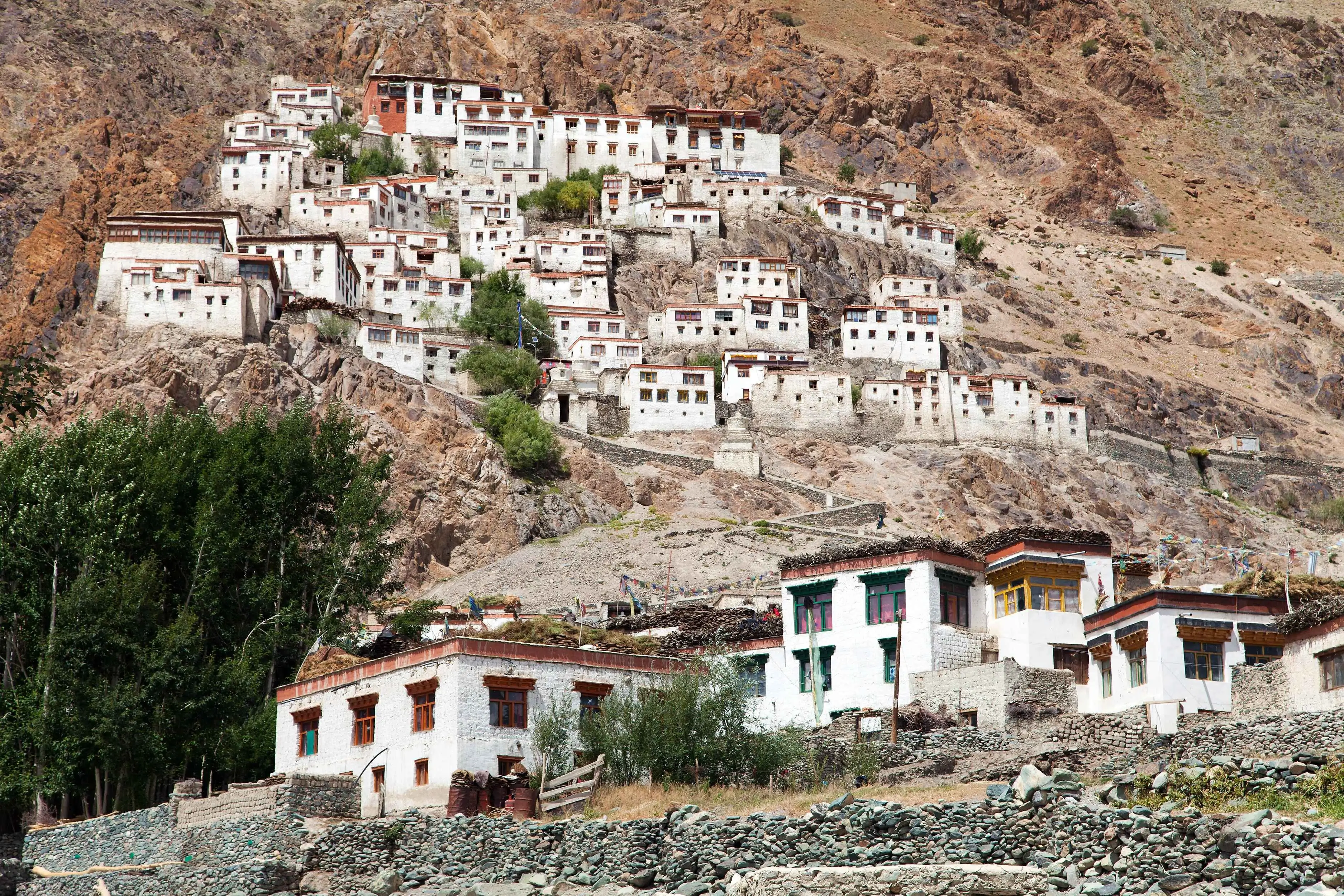
Kargil and Suru Valley deliver mixed heritage: lush villages, ancient rock carvings, fortress - like monasteries, and dramatic mountain backdrops. This is Ladakh unfiltered, for the bold, the curious, and the undaunted. It is home to one of the world's coldest places, Dras Village; the temperature here once dropped to -65°C.
Highlights of Kargil and Suru Valley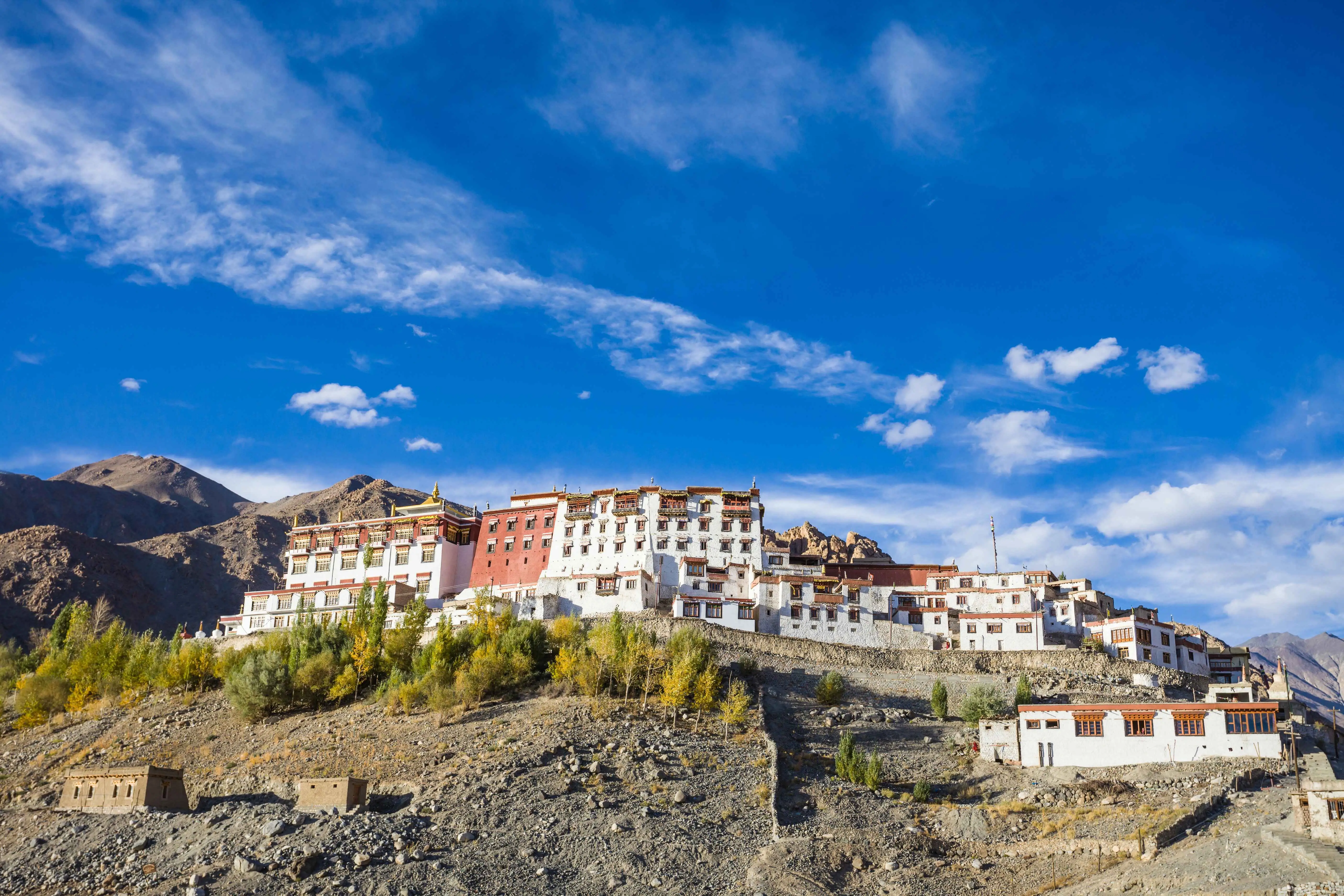
Ladakh rewards every kind of traveller : adventure lovers, culture seekers, wildlife enthusiasts, and slow - travel contemplators.
| Things to Do | What to Expect |
|---|---|
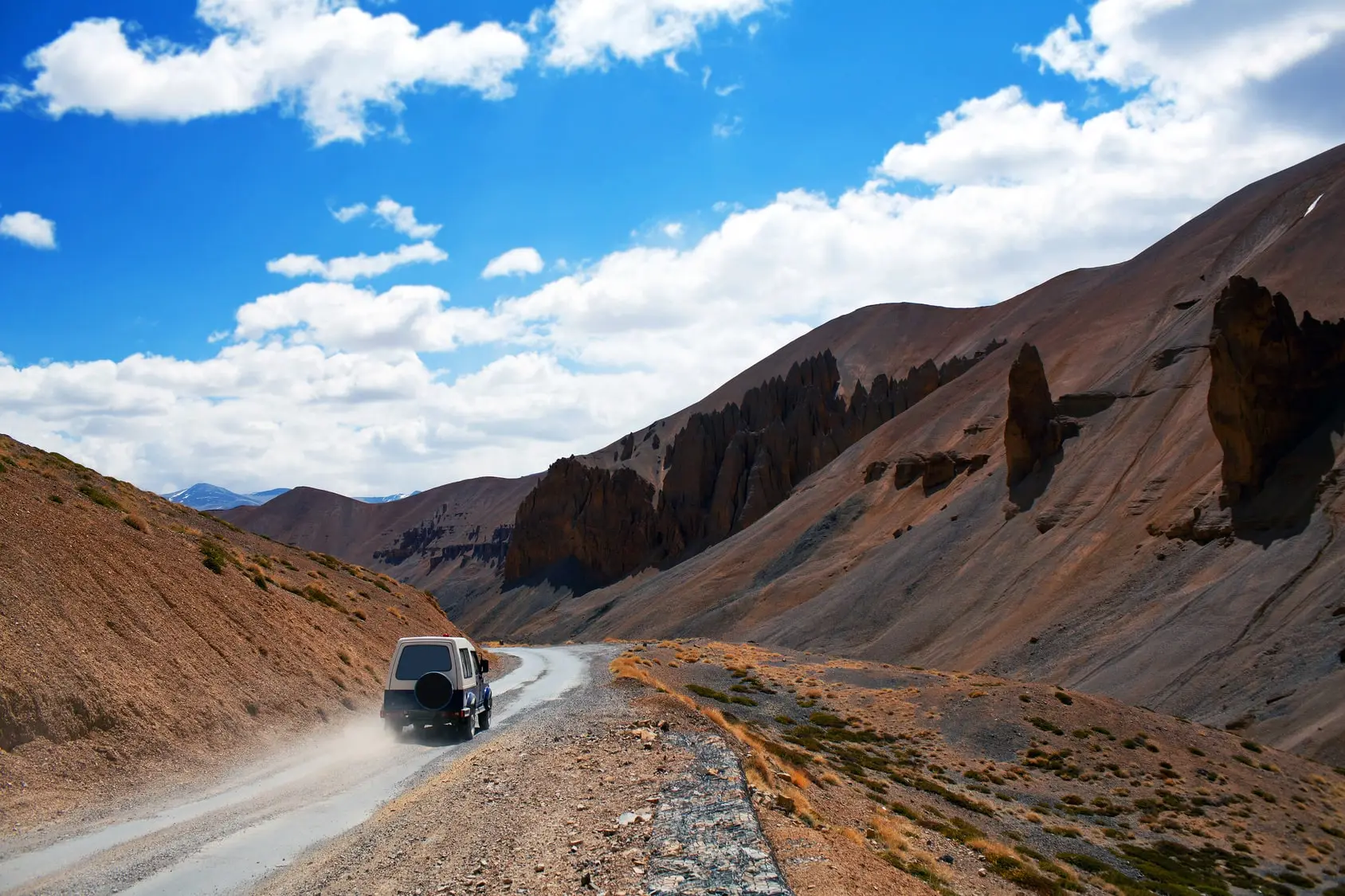
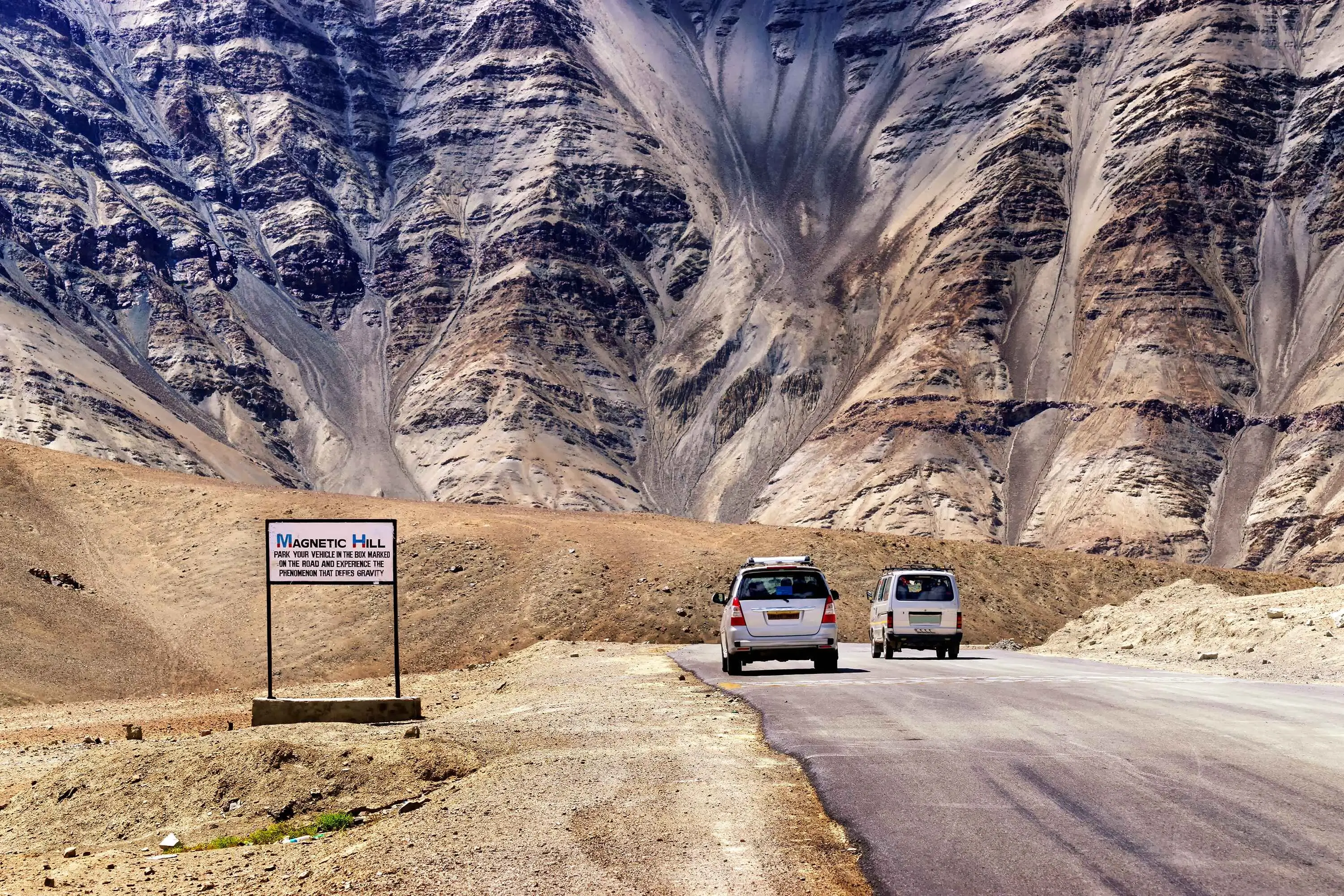
| High - pass road trips (e.g. Manali - Leh, Srinagar - Leh) | Spectacular landscapes, heart - racing altitude changes, and unmatched dramatic visuals. |
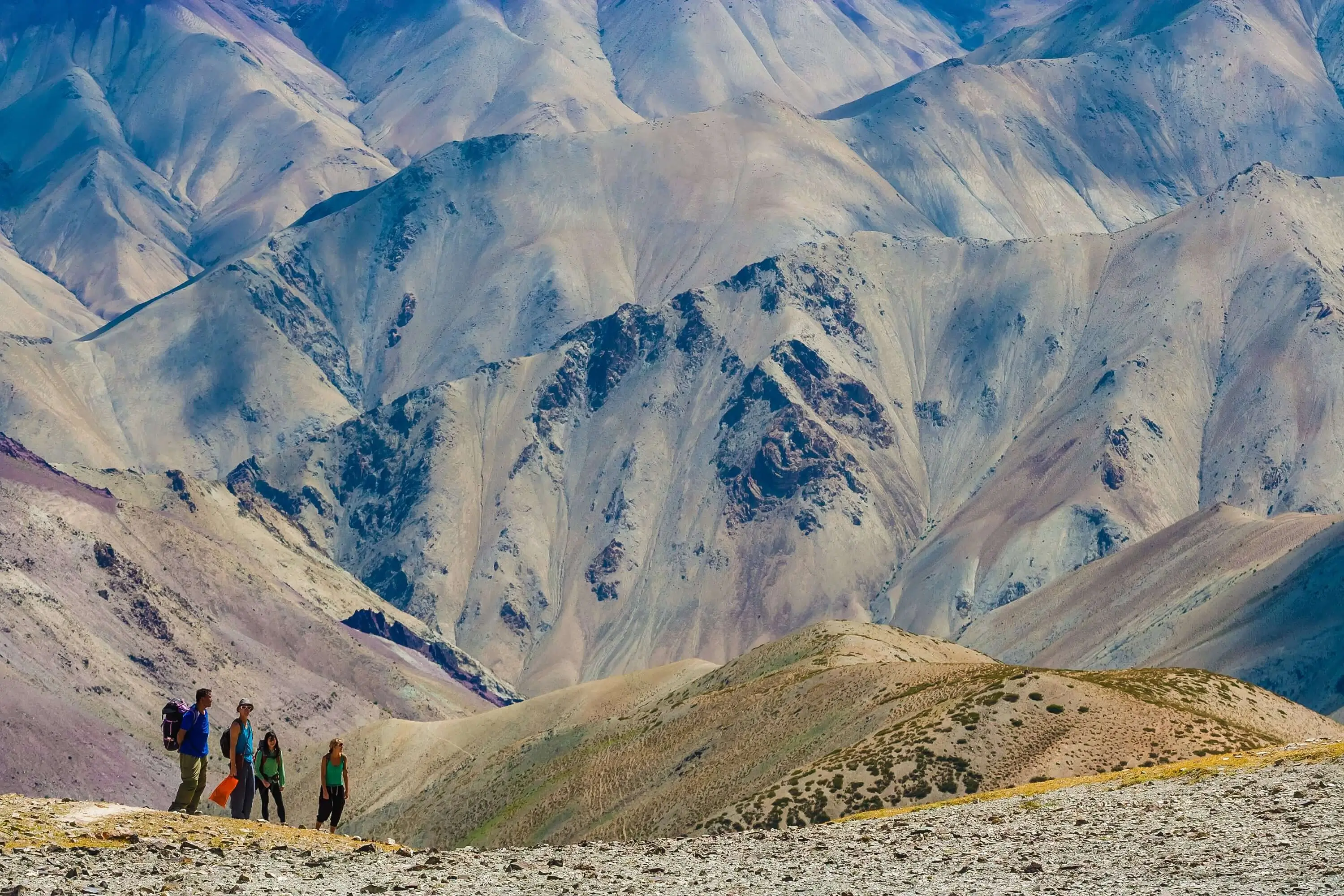
| Trekking (Markha, Stok, Sham, Chadar in winter) | Deep immersion into Himalayan wilderness : physical challenge + soul food for adventure seekers. |
| Monastery & culture circuit (Thiksey, Hemis, Diskit, Lamayuru) | Monastery & culture circuit (Thiksey, Hemis, Diskit, Lamayuru) Spiritual insight, living heritage, and the chance to witness ancient rituals & Buddhist traditions. |
| Lakeside camping (Pangong, Tso Moriri) | Lakeside camping (Pangong, Tso Moriri) Stargazing, solitude, pristine nature at its rawest. |
| Wildlife and nature walks (Changthang, Hemis, valleys) | Spot rare animals, understand fragile high - altitude ecology, and evoke deeper respect for Ladakh's wild heart. |
| Local village stays & food experiences | Local village stays & food experiences Cultural exchange, support for local communities, and authentic insight into Ladakhi rural life. |
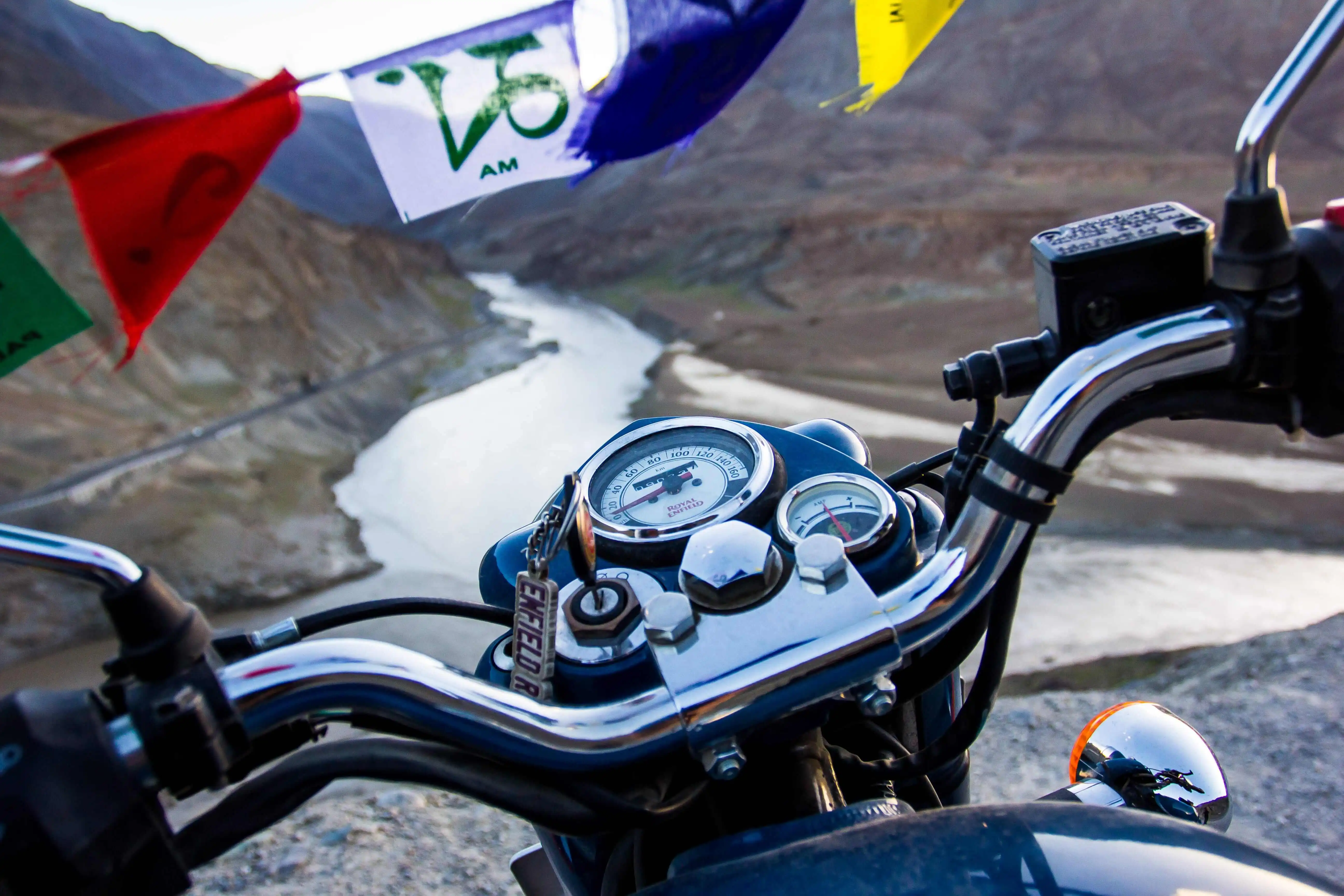
| Biking / motorbike expedition | Biking / motorbike expedition Experience wind, altitude, and freedom - road - trip adrenaline with a Himalayan backdrop. |
Ladakh is more than barren hills and blue lakes; it's a fragile ecosystem with rare wildlife and resilient survival stories. For travelers who care about the planet (and want memories, not footprints), this glimpse into Ladakh's wild side adds depth, responsibility, and meaning to their journey.
Flora : Alpine Greens, Desert Blossoms & Wetland WondersDespite harsh conditions, Ladakh's flora thrives in pockets around wetlands, high meadows, glacial streams, and even stony desert slopes. These plants aren't just pretty; they're crucial for sustaining local wildlife, especially in summer.
| Flora | Where Found | Best Season | Highlights |
|---|---|---|---|
| Seabuckthorn | Nubra Valley, Leh outskirts | Late Summer | Used for juices, oils, and bright orange berries |
| Alpine Meadows | Changthang, around passes | Summer | Seasonal bloom; important grazing land |
| Wildflowers | Nubra, Changthang, Tso Moriri | July - Sept | Tiny, colourful blooms across desert slopes |
| Willows & Poplars | Villages near rivers (Leh, Nubra) | Spring - Autumn | Provide shade, wood, windbreaks |
| Rhododendron (rare) | Subalpine belts | Summer | Occasional blooms, botanically valuable |
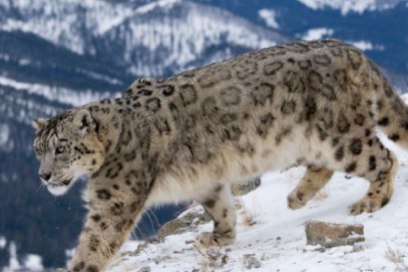
Ladakh's wildlife is defined by grit and adaptability. From a snow leopard camouflaged among rocks to a marmot popping out of its burrow on a sunny afternoon, every encounter here feels like witnessing nature's fiercest survivors.
| Animal | Where to Spot | Best Season | Highlights |
|---|---|---|---|
| Snow Leopard | Hemis National Park, Ulley Valley | Winter (Nov - March) | Rare sightings, prime predator of the region |
| Kiang (Tibetan Wild Ass) | Changthang Plateau, Tso Moriri | Summer | Herds grazing in open plains |
| Himalayan Marmot | Nubra Valley, Changthang, Pangong route | Summer (May - Sept) | Playful, easy to spot near burrows |
| Blue Sheep (Bharal) | Hemis NP, Zanskar ranges | Year - round | Excellent mountain camouflage |
| Red Fox | Changthang, rural villages | Year - round | Agile, commonly spotted at dawn / dusk |
| Black - necked Crane | Tso Moriri, Tso Kar | Summer | Rare migratory breeder, very graceful |
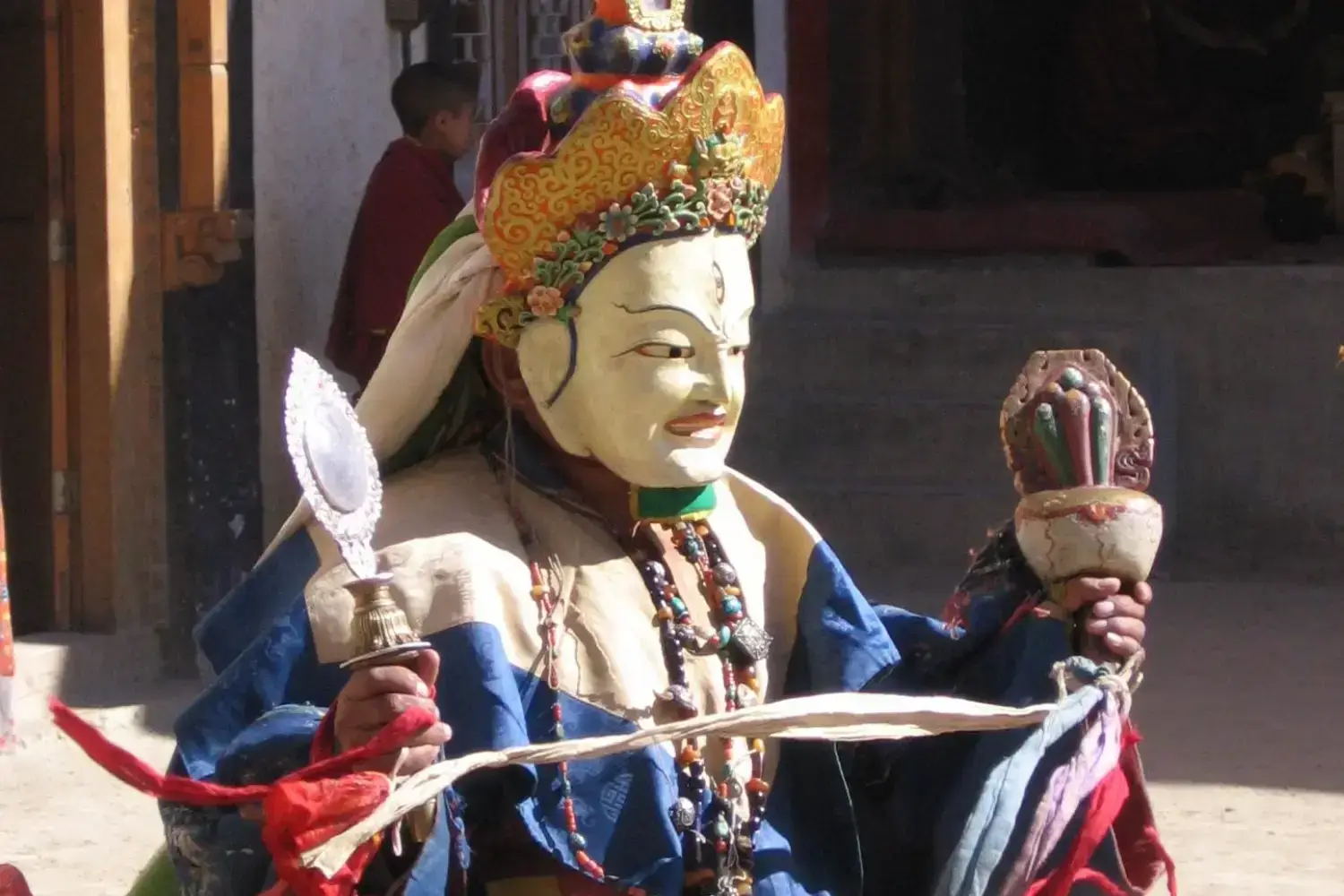
Local food in Ladakh is as much about warmth as it is about survival. High altitude, harsh climate and limited vegetation have shaped a cuisine that's simple, hearty, and soul-satisfying. Eating in Ladakh isn't a luxury; it's part of the local rhythm. For travelers staying in homestays and eating at local kitchens, food becomes culture, survival and welcome rolled into one.
Butter Tea (Gur-gur chai) : Salty, buttery, and warming, this Tibetan-style tea is a Ladakhi staple, perfect after a cold mountain drive or trek.
Thukpa & Thenthuk : Noodle soups loaded with chunks of root vegetables, yak-or-buffalo meat, or mushrooms, nourishing, warming, and deeply comforting when the weather bites.
Momo : Dumplings stuffed with yak/buffalo meat or vegetables, often served in a light broth, a post-trek favorite.
Apricots & Dried Fruits : In villages like Turtuk, apricot orchards yield fruit that's later dried, a sweet, chewy snack and a local pride.
Local Beverages : Traditional barley beer or fermented drinks (where available), often shared over stories in village guesthouses.
| When to Visit | Why & What Works |
|---|---|
| June - September (Summer) | Passes open, lakes thawed, best for sightseeing, biking, and trekking. Comfortable day temperatures (15 - 25°C). Festivals, village life, open roads. |
| October | Crisp autumn colors, fewer crowds, clear skies, a great time for photography & calm exploration. |
| December - February (Winter) | Frozen rivers & gorges - perfect for ice treks (e.g., Chadar). Snow - clad peaks, a chance to spot elusive wildlife, and peaceful solitude. |
| March - May (Late Winter / Early Spring) | Transition period : remote circuits may still be closed. Useful for planning the upcoming season, pre - booking stays, low-cost travel & preparation. |
Kushok Bakula Rimpochee Airport (Leh) is the only airport in Ladakh. It operates regular flights from major cities such as Delhi, Srinagar, Jammu and other hubs.
By RoadTwo classic approaches:
Ladakh has no direct railway line. The nearest major railhead remains Jammu Tawi Railway Station, about 650 - 700 km from Leh. There is also Srinagar Railway Station, which has limited connectivity, but it is connected with Jammu. From both Srinagar and Jammu, you will have to travel by road to Ladakh.
Many high - altitude and border areas in Ladakh require entry permits. These rules ensure ecological protection and traveler safety.
Inner Line Permit (ILP) : For Indian Nationals
Required for visiting :
Protected Area Permit (PAP) : For Foreign Nationals : Mandatory for restricted border belts around Changthang and Nubra.
Note : We arrange all required permits as part of Ladakh tour packages to ensure a seamless travel experience.p>
We believe in responsible, enriching journeys, not just checklists. That's why our Ladakh tours are crafted with care: they balance adventure with acclimatization, heritage with comfort, and wilderness with safety.
Our standard offerings include a Leh - Nubra - Pangong tour (ideal for first - time travelers), a 7 - night classic Ladakh tour that covers Leh, Nubra, Pangong, and Tso Moriri, and more extended 9 - 12 - night packages for those wishing to include Zanskar, Suru Valley, Kargil, or even offbeat trails like Hanle or Turtuk.
All our Ladakh tour packages include safe transport (private jeeps or mini - buses), stays in guesthouses or camps (based on comfort level), local guides for monasteries and nature walks, meals featuring local cuisine, and crucially, assistance with required permits (for the Nubra, Pangong, and Changthang regions).
For biking or trekking enthusiasts, we also curate adventure tours in Ladakh, which include biking across passes such as Khardung La or Chang La, multi - day treks (Markha Valley, Stok or even winter Chadar), and wildlife tours near protected zones to maximize chances of spotting Ladakh's rich wildlife.
Whether you're a family seeking a calm, culture-rich vacation; a couple chasing “That View”; or an adventurer wanting altitude, wild terrain and a bit of challenge, our Ladakh tour packages adapt to you.
Yes. Ladakh is safe, peaceful, and traveler - friendly. The key is to acclimatize for 24 - 48 hours in Leh before heading to high - altitude regions like Nubra or Pangong.
A minimum of 5 - 6 days is ideal for Leh - Nubra - Pangong. For a fuller experience including Tso Moriri or Kargil / Zanskar, plan 7 - 10 days.
June to September is the peak season with open passes, blue lakes, and comfortable weather. October is great for photography and fewer crowds. January - February are best for the Chadar Trek and snow leopard expeditions.
Yes, due to its high elevation. Stay in Leh for 1 - 2 days, keep hydrated, avoid alcohol initially, and ascend slowly. Most travelers adjust comfortably with the right rest plan.
Pangong is more popular and easily accessible. Tso Moriri is quieter, less commercial, and a Ramsar wetland - perfect for wildlife lovers. Both are among the best places to visit in Ladakh.
Yes. Indian nationals require ILP for Pangong, Nubra, Tso Moriri, Hanle, and other border regions. Foreign nationals require PAP for protected areas. Most tour operators arrange these.
Yes, if they acclimatize properly and avoid sudden altitude gains. Leh town is manageable, but remote areas require caution and slow travel.
In winter, temperatures can drop to -20°C in Leh and below -30°C in remote valleys. Summer temperatures (15 - 25°C) are pleasant.
Warm layers, thermals (even in summer), sunscreen, lip balm, sturdy shoes, a reusable water bottle, essential medicines, and photo ID for permits.
Everything from Tibetan dishes (momo, thukpa) to Indian, Israeli, and continental food is available in Leh. Remote regions offer simpler meals like rice, dal, roti, eggs, and soups.
Yes, for experienced riders. Roads are rugged but scenic. Beginners must pace themselves and avoid night driving.